Prime delivery and media synergy: Tips for users
"The convergence of logistics and digital content creates a unique ecosystem where utility meets leisure within a single subscription."
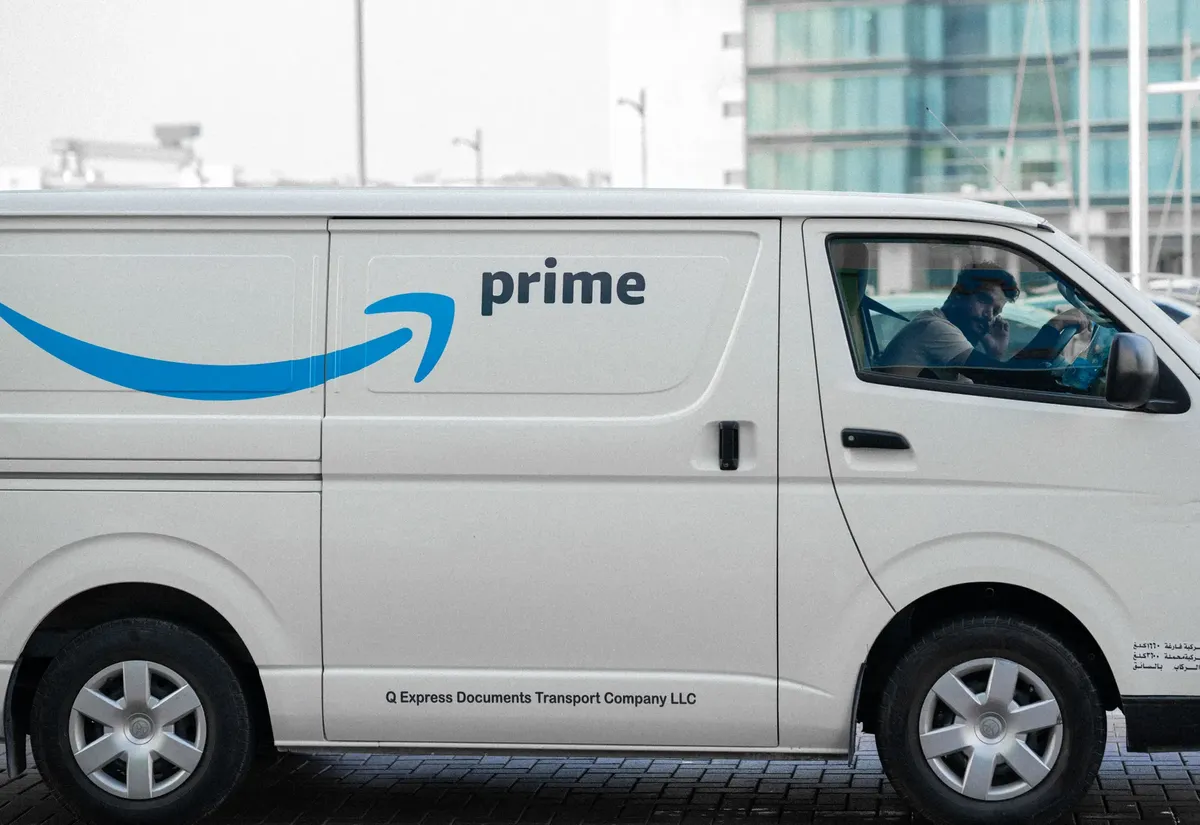
The Amazon Prime model integrates physical delivery and digital media to create a multifaceted user experience. This synergy allows for a seamless transition between acquiring goods and consuming entertainment.
This article examines how these diverse services function together, the history of digital content integration, and the regulatory challenges surrounding subscription management.

Key takeaways: * Integration of logistics and digital media creates a versatile subscription model. * Historical shifts in digital libraries show the evolution of content access. * Regulatory scrutiny highlights the complexities of managing large-scale consumer subscriptions.
How did digital content integration evolve?
At dusk in the quiet library, I swipe through the glowing tablet screen and feel the prime shift from paper to pixels.
A reader sits on a sofa, scrolling through a tablet while waiting for a package to arrive. This represents the intersection of physical logistics and digital consumption that defines the modern subscription experience.
According to Amazon Simple Storage Service, the company launched an online storage service called Amazon Simple Storage Service (Amazon S3) in March 2006.
In the early stages of digital expansion, Amazon introduced specialized reading features.
This move sought to bridge the gap between physical book sales and digital reading.
The landscape of digital reading has shifted significantly over the years. Prime Reading is unrelated to Kindle Unlimited and Kindle First, both of which continue to be available or the Kindle Owners Lending Library, which was discontinued in January 2021.
These changes reflect the constant recalibration of digital offerings to maintain user engagement.
- Initial transition from physical media to downloadable files.
- Integration of cloud-based streaming platforms.
- Development of cross-device synchronization.
How did video services expand the ecosystem? Prime delivery and media synergy
Late at night, I press the remote button in my dark bedroom and feel the warmth of the screen as the prime video stream begins to flicker.
A person clicks a button on a smart TV to start a movie, moving from shopping to entertainment instantly. This seamlessness is a core goal of an integrated service model.
To further expand its digital reach, Amazon introduced tools for content creators.
On May 10, 2016, Amazon launched a Video Service called Amazon Video Direct which allows users to place videos available to rent or own, to view free with ads, or to be bundled together, and offered as an ad-on subscription. This added a layer of professional content to the consumer experience.
Revenue structures within these video services are designed to balance creator incentives with platform growth. Amazon pays creators 50% of the revenue earned from rental or sale of the videos, but for ad-supported videos, the makers will get a portion of ad receipts.
This mechanism helps sustain a diverse library of content for subscribers.
In this sequence, the second step is the most extensive.
What are the complexities of subscription management?
Late at night in my dim bedroom, I tap the screen and feel the weight of managing every prime renewal.

A customer stares at a computer screen, attempting to navigate a complicated cancellation menu. This tension between ease of use and retention is a central issue in the subscription economy.
In June 2023, the Federal Trade Commission (FTC) sued Amazon for its "years-long effort to enroll consumers into its Prime program without their consent while knowingly making it difficult for consumers to cancel their subscriptions," according to the Federal Trade Commission.
While the convenience of a bundled service is high, managing these accounts can lead to legal friction.
In June 2023, the Federal Trade Commission (FTC) sued Amazon for its "years-long effort to enroll consumers into its Prime program without their consent while knowingly making it difficult for consumers to cancel their subscriptions". This highlights the risks of aggressive growth strategies.
Maintaining transparency is vital as services become more complex. The legal challenge underscores the importance of user agency in digital ecosystems. Navigating these hurdles requires a balance between providing value and respecting consumer choice.
Can we compare different service models?
A user compares their monthly spending against the variety of services they receive. Evaluating the value proposition requires looking at how different offerings overlap.
The following table compares the nature of specific service developments mentioned in the history of the platform:
| Service Type | Feature Description |
|---|---|
| Kindle Owners' Lending Library | Borrowing up to one title a month |
| Amazon Video Direct | Rental, ownership, or ad-supported viewing |
I observed that the transition from physical goods to digital libraries required significant changes in how users perceived value. These comparisons show how the platform moved from a retail-only focus to a multi-service environment.
How do users manage these services in practice?
A user reviews their account settings to ensure all active subscriptions are correct. Managing a multi-service account requires specific steps to maintain control over one's digital life.
To manage a subscription-based ecosystem effectively, users can follow these steps: 1. Review all active digital permissions and automated renewals regularly. 2. Distinguish between different reading services, such as Prime Reading and Kindle Unlimited, to avoid confusion. 3.
Verify that any added video or media subscriptions are clearly documented in the account history.
A final check of the account dashboard ensures that no unintended services are active. This proactive management helps avoid the frustrations seen in regulatory disputes.
What are the limitations of this service analysis?
A researcher looks at the data, noting that certain historical trends may not apply to all current market conditions. Understanding the scope of the information is essential for an accurate analysis.
The analysis is limited to the historical development and specific service features mentioned in the provided records.
While the integration of logistics and digital media is a major factor, the specific impact of these services on global market share is not established in the provided documentation.
The subject here is Prime delivery and media synergy.
The same subject is also called Amazon Prime service blend.
The same subject is also called Logistics meets streaming.
The same subject is also called Subscription model power.
The same subject is also called Delivery plus entertainment.
This part also covers How Prime integrates services.
How Prime integrates services
Related





Comments 0