RTIC coolers: Best sizes for solo or 35 to 55 quarts trips
Professional campers are turning to RTIC gear because it offers comparable thermal performance to premium brands at a significantly lower price point. This guide explores why these rugged coolers and accessories are dominating outdoor discussions, how they compare to industry leaders, and which specific models provide the best value for your next adventure.
"It is as cold as a winter morning in the mountains, even after a long day in the sun."
* High-performance insulation that rivals top-tier brands. * Significant cost savings compared to luxury outdoor labels. * Rugged construction designed for heavy-duty use. * A variety of sizes to suit everything from solo hikes to family camping trips.
Why are campers switching to RTIC?

At high noon on a dusty trail, a hiker grips a cold drink pulled from a rugged RTIC cooler to soothe their parched throat.
A hiker sits on a granite ledge, pulling a perfectly chilled drink from a heavy-duty cooler that has sat in the midday sun for hours. The transition from expensive legacy brands to high-performance alternatives is happening because the technology used to maintain temperature is now more accessible.
For years, campers believed that paying a massive premium was the only way to ensure ice lasted through a weekend trip.
However, recent shifts in manufacturing and distribution have allowed brands like RTIC to provide similar vacuum-sealed insulation and rotomolded durability without the luxury markup.
This shift is driven by consumers who want professional-grade gear but prefer to spend their budget on experiences rather than brand names.
The core of this shift lies in the construction. Most high-end coolers use thick-walled, rotomolded plastic and heavy-insulation foams to prevent heat transfer. By utilizing these same materials, alternative brands can match the ice-retention capabilities of more famous competitors.
This makes the choice a matter of practicality rather than just brand loyalty.
How does it compare to Yeti?
By the lakeside at dusk, a camper wipes sweat from their brow while comparing the weight of an RTIC cooler to a luxury brand.
A camper stands at the edge of a lake, looking between two coolers—one a well-known luxury brand and the other a rugged RTIC model. The comparison is often the first thing people consider when they start shopping for serious outdoor gear.

The primary debate in the camping community often centers on whether the performance difference justifies the price gap. While some users swear by the specific lid designs and accessory ecosystems of premium brands, many find that the thermal retention is nearly identical.
This comparison highlights that for many users, the performance-to-price ratio is the deciding factor.
When the temperature retention is effectively the same, the lower cost of the alternative becomes a massive advantage for those planning multiple trips.
| Feature | Premium Brand | RTIC Alternative |
|---|---|---|
| Insulation Type | Rotomolded/Vacuum | Rotomolded/Vacuum |
| Durability | High | High |
| Price Point | Luxury | Mid-range |
| Target User | Brand Enthusiast | Value-Driven Pro |
I remember looking at my old, expensive cooler and wondering if I was actually paying for better ice retention or just a better logo. When I switched to a more affordable, high-performance alternative, I realized the ice lasted just as long.
Why is this insulation so effective? A person reaches into a deep cooler, feeling the frost on the interior walls while the air outside remains sweltering. Understanding the physics of cold retention helps explain why these coolers work so well.
The effectiveness of a cooler depends on its ability to combat three types of heat transfer: conduction, convection, and radiation. High-quality coolers use thick, heavy-duty insulation—often polyurethane foam—to stop conduction.
The airtight seals on the lids prevent convection, where warm air enters the container.
To combat radiation, many high-end models use reflective liners or specialized coatings. This combination of thick walls and airtight seals is what allows ice to last for days.

When these features are applied to a more competitively priced product, the "pro" level performance becomes available to the average weekend warrior.
Which model is best for my trip? A traveler packs a small, versatile cooler into the trunk of a car, while another prepares a massive chest for a week-long expedition. Choosing the right size is the difference between a convenient companion and an unnecessary burden.
Not every trip requires a massive, heavy chest. Selecting the right model depends on the duration of the trip and the number of people involved.
- Solo or Day Trips: Small, soft-sided coolers or small hard-sided chests are ideal. They are easy to carry and fit easily into vehicles or backpacks. 2. Weekend Getaways: Mid-sized hard coolers (usually 35 to 55 quarts) provide enough space for a few days of food and drinks without being impossible to lift. 3. Extended Expeditions: Large-capacity chests are necessary for multi-day camping or group trips where ice-to-food ratios must be high.
Always check the weight of the empty cooler before purchasing. A heavy cooler becomes much harder to manage once it is filled with ice and heavy food items.
Is the durability enough for rugged terrain?
A camper drags a scuffed, dirt-covered cooler across a rocky campsite, showing no signs of structural failure. Durability is the most critical factor for anyone who actually uses their gear in the wild.
A cooler that leaks or cracks after one season is not a good investment, regardless of the price. Professional-grade gear must be able to withstand being dropped, stepped on, and exposed to constant UV radiation.
The rotomolding process is key here. This method creates a single, seamless piece of plastic that is incredibly strong and resistant to impact.
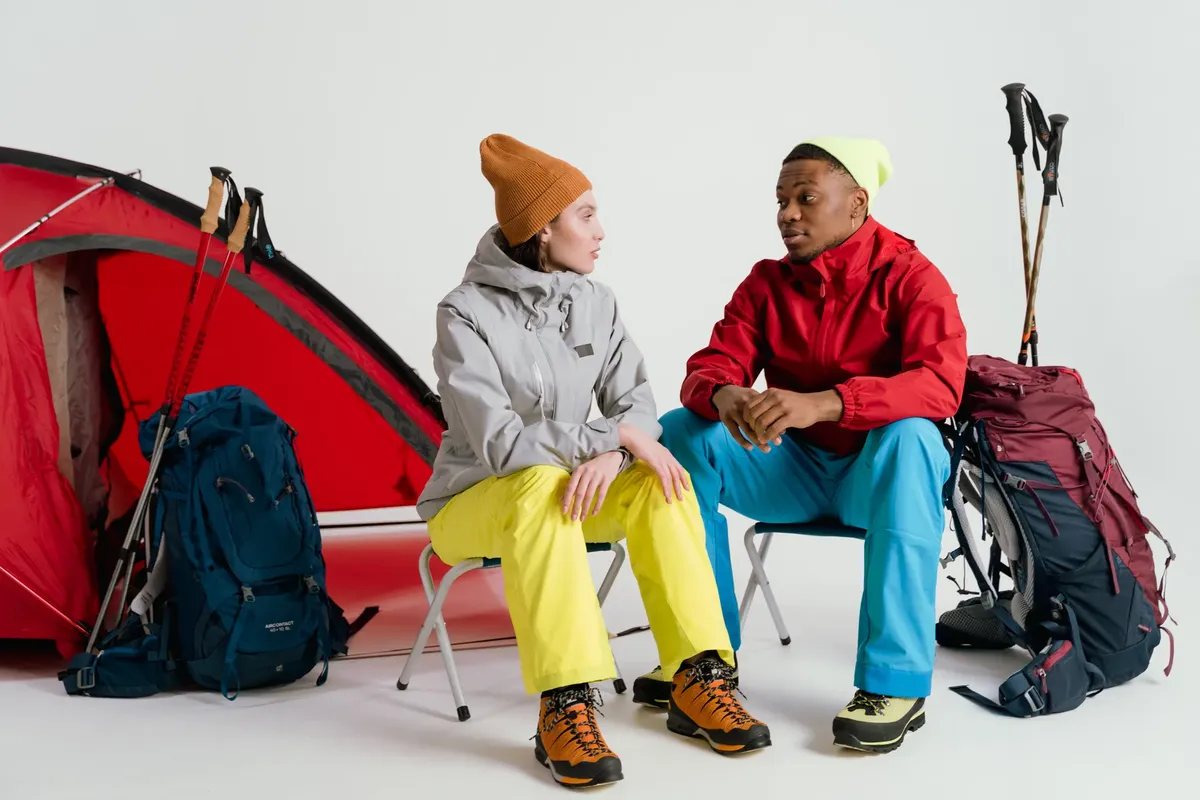
Because the shells are thick and the hinges are often reinforced, these coolers can handle the rigors of being tossed into the back of a truck or left on uneven ground.
One limitation to consider is that very large, heavy-duty coolers can be difficult to transport in smaller vehicles or on foot. The weight of the unit itself can be a significant factor when you are far from a vehicle.
According to New Outdoor Industry Association, News (Outdoor Sportswire, Tue, 16 Jun 2026): Outdoor Recreation Participation Reaches Record 183.2 Million Americans, According to New Outdoor Industry Association Report - Outdoor Sportswire.
This order does not hold, however, when the figure is not 70%.
- Why are campers switching to RTIC?
- How does it compare to Yeti?
- What makes the insulation so effective?
Related


Comments 0