How did display size evolution impact living spaces?
"The evolution of display technology has transformed how we perceive the living space, moving from small utility screens to massive, immersive visual centers."
Building an efficient home environment often begins with selecting high-quality visual technology that defines the room's atmosphere. This guide explores how historical advancements in display sizes and manufacturing shifts provide a foundation for modern living.
You will learn about the progression of large-scale screens, the transition from prototypes to production models, and the role of corporate ownership in technological availability.
How did display size evolution impact living spaces?
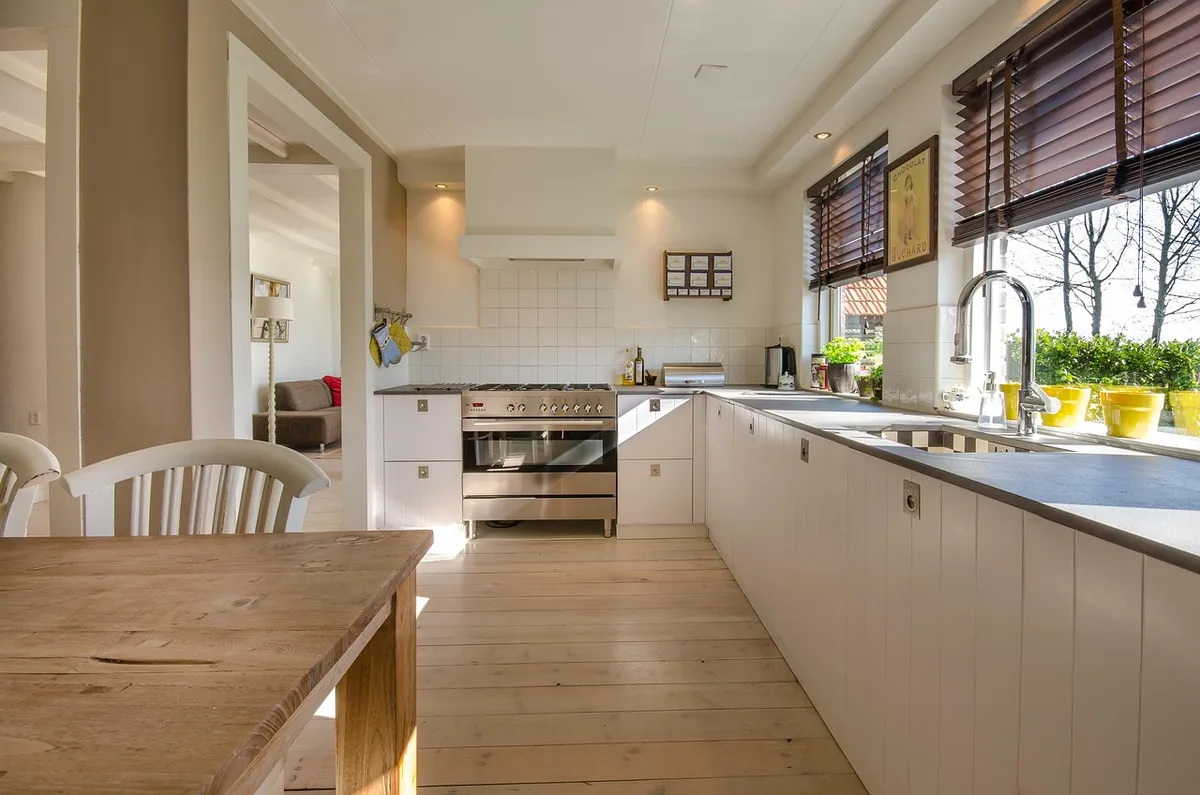
In the dim light of a modern apartment, I stare upward as the massive display fills my entire field of vision.
A person stands in a bright living room, looking up at a massive screen that dominates the wall. In June 2005, Sharp produced the largest LCD television at the time, with a display of 65 inches.
This specific milestone marked a significant shift in how home entertainment could occupy a physical space.
As technology advanced, the scale of these devices grew to meet more ambitious design goals. At CES 2007, Sharp introduced a prototype largest LCD TV, with a screen size of 108 inches.
This leap in size changed the concept of a home theater, moving it from a mere piece of furniture to a central architectural feature.
The journey from prototypes to reality required balancing cutting-edge vision with consumer availability. In 2012, Sharp unveiled the largest production TV at the time, with a screen size of 80 inches.
This development allowed users to bring massive visual experiences into their actual homes rather than just viewing them in exhibition halls.
What were the key milestones in large-scale TV production?
An engineer adjusts the settings on a massive, high-definition panel in a quiet showroom. The progression of screen technology can be understood through these specific historical milestones:
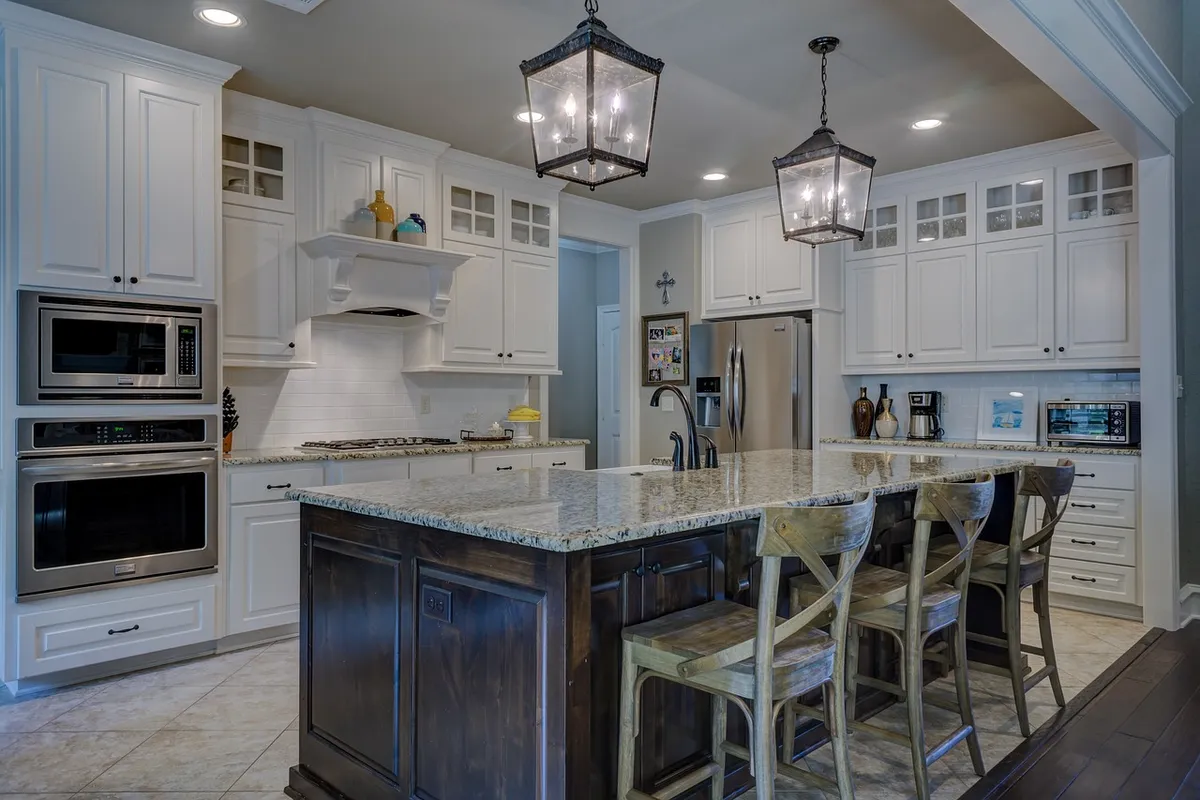
- Initial large-scale manufacturing: In June 2005, the production of a 65-inch LCD television set a new standard for consumer-ready large displays. 2. Prototype exploration: The introduction of a 108-inch prototype at CES 2007 pushed the boundaries of what was technically possible for display technology. 3. Production-ready massive screens: The 2012 unveiling of an 80-inch production TV bridged the gap between experimental prototypes and usable home appliances.
I remember looking at the difference between these sized screens when comparing the early 65-inch models to the later 80-inch production units. These jumps in size directly influenced how much space a person needed to allocate for a home theater setup.
How did corporate shifts affect technology availability?
A business executive reviews a contract regarding the acquisition of a high-tech manufacturing facility. Changes in ownership and investment often dictate the direction of product development and technological stability.
In March 2012, the Taiwan-based electronics company Hon Hai, trading as Foxconn, agreed to acquire a 10% stake in Sharp Corporation for US$806 million.
This agreement also included the purchase of up to 50 percent of the liquid-crystal displays produced at the plant in Sakai, Japan. Such strategic moves ensure that the production of specialized components remains consistent with market demands.
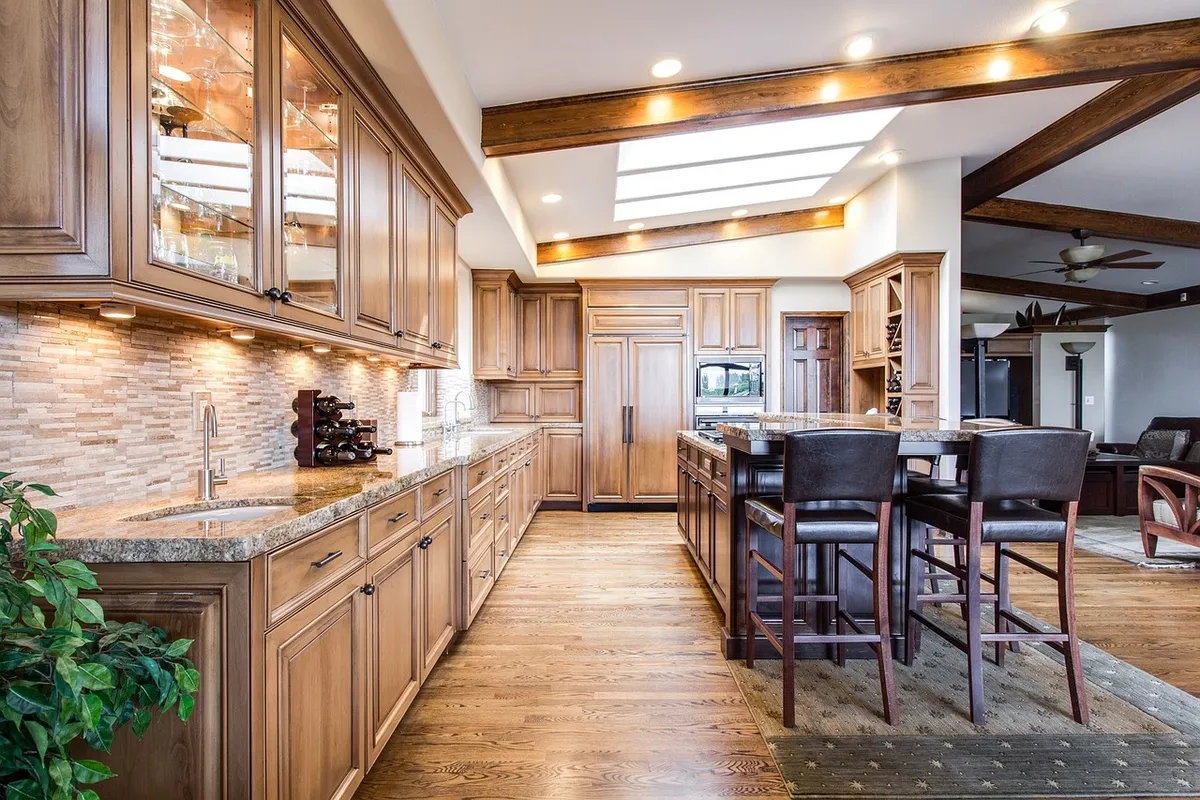
These investments laid the groundwork for future industrial shifts. In June 2012, Hon Hai chairman Terry Gou paid money for the Sakai plant and obtained 50% ownership of the plant.
These corporate actions directly impact the supply chain and the availability of advanced display components for global consumers.
What were the results of major acquisitions?
A technician inspects the machinery in a large-scale display factory. The landscape of the electronics industry is frequently reshaped by large-scale mergers and acquisitions.
On 25 February 2016, Foxconn announced its intent to acquire a 66% controlling stake in Sharp for 700 billion yen (US$6.24 billion).
These shifts in control can lead to changes in market presence and manufacturing focus. For example, Sharp's television market share in North America was 4.6% in 2015. Such data points illustrate the competitive environment in which these technologies are deployed.
| Era | Milestone Device | Context |
|---|---|---|
| 2005 | 65-inch LCD | Largest at the time |
| 2012 | 80-inch TV | Largest production TV |
How can one optimize a living space with large displays?
A homeowner measures the wall space in a living room to ensure a new television fits perfectly. Integrating large-scale displays requires careful consideration of the room's dimensions and the viewer's distance.

- Assess the physical space: Determine if the wall can support the weight and dimensions of a large-scale unit, such as the 80-inch models seen in 2012. 2. Evaluate viewing distance: Ensure the room is deep enough to fully appreciate the scale of a large display without causing eye strain. 3. Final check: Verify that the mounting hardware and power requirements are compatible with the specific model being installed.
The transition from a 65-inch display to an 80-inch display requires a much more significant spatial planning effort. This comparison shows that as the technology grows, the environment must adapt to the hardware.
- How did display size evolution impact living spaces?
- What were the key milestones in large-scale TV production?
- How did corporate shifts affect technology availability?
Related
- Amazon Prime logistics innovation: How service drives value
- Sharp 65 Smart Home Guide to Large Displays
How did the evolution of display technology influence viewing experience?
The shift from smaller utility screens to massive visual centers fundamentally altered the viewing experience. Early models, such as the 65-inch LCD from 2005, offered a large but perhaps more contained visual presence.
Conversely, the 108-inch prototype viewed at CES 2007 suggested a truly immersive, almost architectural scale for the display. The subsequent 80-inch production TV in 2012 provided a successful marriage of cutting-edge vision with a product ready for the consumer market.
This progression demonstrates that the goal was not merely to increase size but to enhance the totality of the visual information presented to the viewer.
The comparison between the initial 65-inch display and the later 80-inch display highlights the difference between a substantial piece of electronics and a dominant, central feature of the modern living space.
The corporate acquisitions detailed in the timeline underscore the commercial realities behind these technical leaps. The strategic investment by Hon Hai in Sharp Corporation in 2012 provided the necessary financial backing to push these large-scale display boundaries further.
This business context reveals why certain technological advancements became available to the public when they did.
What cautions accompany modern display integration?
Integrating large-scale displays into a residence requires more than just powering on the unit. Careful consideration of the physical environment is paramount for a successful integration of the display.
For instance, the decision to use an 80-inch model means the viewing distance must be adequate to properly take in the scale.
Furthermore, the initial decision regarding the physical space must account for the weight and dimensions of the chosen display. A successful modern setup balances the technical capability of the display with the physical constraints of the room itself.
This holistic view is necessary when moving beyond the prototype stage into actual home installation.
Wikipedia: Home Depot (full) Based on the retained excerpt mentioning Republican Attorneys General Association: According to the watchdog group Documented, in 2020, The Home Depot contributed $125,000 to the Rule of Law Defense Fund, a fundraising arm of the Republican Attorneys General Association.







Comments 0