Refrigerator Tips: 20% Energy Reduction Strategies
This article is about Refrigerator. "Efficiency isn't just about saving money; it's about the seamless integration of technology into your daily lifestyle."
Choosing an energy-efficient refrigerator involves balancing cooling performance, smart features, and long-term cost savings.
This guide helps you navigate the complexities of modern appliance selection, provides a comparison of efficiency standards, and identifies which models suit different household needs.
* Prioritize high energy efficiency ratings to reduce long-term electricity costs. * Understand how system integration can cut total home energy consumption. * Look for specific technologies that align with modern energy-saving goals. * Evaluate the trade-offs between smart features and raw efficiency.
How Do We Measure Real Savings in the Kitchen?
The hum of a refrigerator in a quiet kitchen at midnight often serves as a constant reminder of the electricity running in the background. For many homeowners, the goal is to minimize that silent drain while keeping food perfectly preserved.
According to the International Code Council, energy codes serve as a foundation for rating systems like HERS that examine various factors in home energy use as of 2018.
Evaluating energy use requires looking beyond the sticker price to the operational costs over the life of the appliance.
This scale provides a baseline to understand how much an appliance contributes to the overall energy footprint of a residence.
When looking at the kitchen environment, the relationship between individual appliances and total house usage is vital. Implementing efficiency measures—like using LED lights (which consume 70-90% less energy than standard bulbs)—is a key component of overall home energy reduction.
While a refrigerator is a much larger consumer than a lightbulb, the principle of incremental savings remains the same.
By focusing on high-efficiency models, you can address the largest single energy draw in many homes. A well-chosen appliance can contribute significantly to the goal of lowering monthly utility bills.

What Are the Key Factors in Selecting an Energy-Efficient Refrigerator?
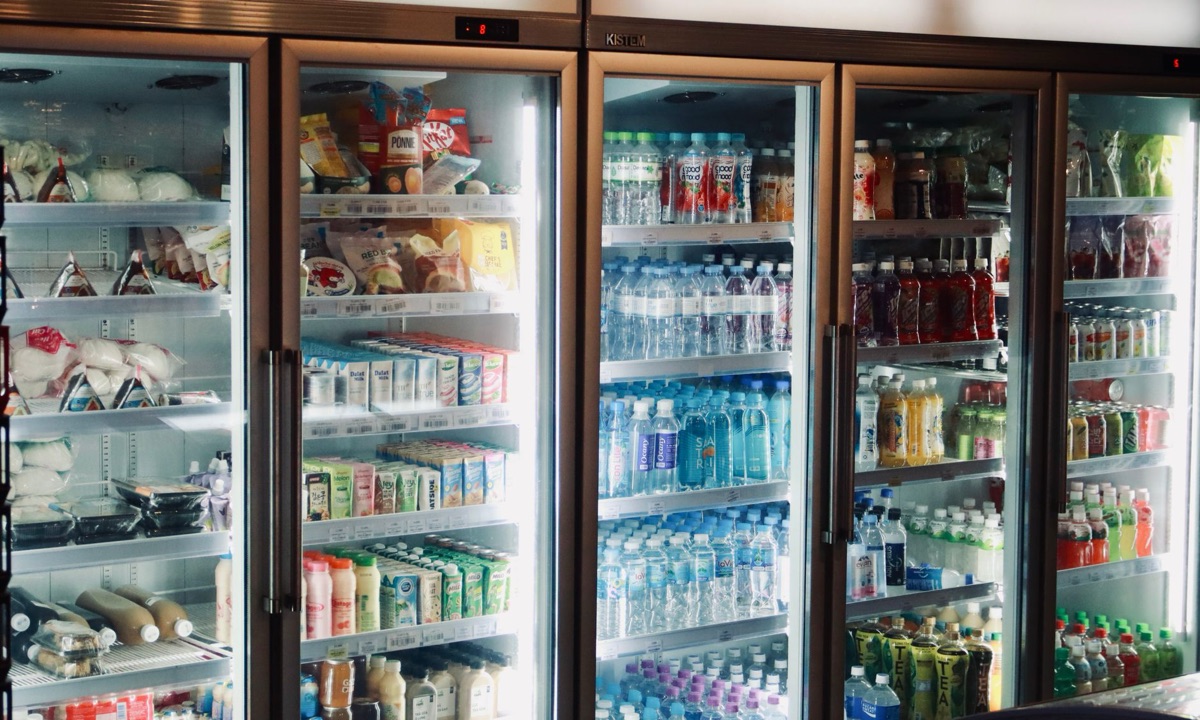
Standing in a brightly lit showroom, you might feel overwhelmed by the sheer variety of stainless steel and glass-door models. The shiny surfaces can distract from the technical specifications that actually determine your monthly budget.
Since 2002, the Lebanese Center for Energy Conservation has been promoting the development of efficient and rational uses of energy at the consumer level.
The primary factor in selection is prioritizing models that align with high energy efficiency standards, as this is a core component of cutting building energy use.
While a refrigerator is a heavy hitter in terms of continuous power draw, its impact is magnified when compared to intermittent appliances.
A smart approach to home management involves looking at the big picture of your utility usage. Energy consumption can be cut by 20% through a combination of efficient appliances, insulation, and automated controls. Choosing a refrigerator that integrates well with these elements is crucial.
| Feature | Benefit | Best For | |
|---|---|---|---|
| Inverter Compressors | Provides variable speed for precise cooling and lower energy spikes. | Large families with frequent door openings. | |
| Households with varying food volumes. | |||
| Vacuum Insulation | Maintains temperature longer during power fluctuations or door openings. | Homes in extreme climates. | |
| Dual-Evaporator Systems | Keeps freezer and fridge compartments at optimal, separate humidity levels. | Users who prioritize food freshness. |

Why Does System Integration Matter for Longevity?
The sound of a refrigerator compressor kicking in can be jarring if the unit is struggling to maintain temperature. A healthy machine should operate smoothly without constant, aggressive cycling to stay cool.
The American Council for an Energy-Efficient Economy notes that energy efficiency and conservation initiatives will cut carbon dioxide emissions by 9% in 2030.
Modern appliances are no longer isolated units; they are part of a larger domestic ecosystem. Effective energy management relies on how well these components work together. For instance, a refrigerator placed in a poorly ventilated or uninsulated area will work harder and consume more power.
As noted in various efficiency studies, energy consumption can be cut by 20% through a combination of efficient appliances, insulation, and automated controls. This means that the refrigerator's efficiency is tied to your home's insulation and your ability to control the ambient temperature.
When you select a high-efficiency model, you are essentially investing in a tool that works in harmony with your home's infrastructure. This synergy is what leads to the most significant long-term savings.

How Do We Balance Tech and Efficiency?
A finger swipes across a sleek touchscreen on a refrigerator door, adjusting the temperature with a single touch. While the gadgetry is impressive, the underlying question is whether the technology consumes more power than it saves.
The tension between "smart" features and energy savings is a common concern for modern buyers. While some features add convenience, they also require constant power to maintain connectivity and displays.
The goal is to find the sweet spot where technology enhances efficiency rather than detracting from it. For example, smart sensors that optimize compressor speed can lead to substantial savings, whereas a constant-on tablet screen might slightly offset those gains.
It is important to note that not all smart features are created equal. Some are purely cosmetic, while others actively manage energy loads to prevent waste.

Selecting the Right Model for Your Lifestyle
Walking through a grocery store with a heavy bag of supplies, you realize that your refrigerator's capacity and cooling speed are vital. A fridge that recovers its temperature quickly after being opened is an essential tool for a busy household.
Different lifestyles demand different types of efficiency. A single professional living in a studio might prioritize a compact, efficient unit, while a large family needs a high-capacity model that doesn't break the bank on electricity.
Consider these three steps for a successful purchase:
- Calculate Daily Usage: Estimate how often the doors will be opened to determine the necessary cooling recovery speed. 2. Check Local Standards: Verify that the model meets or exceeds the latest energy-saving certifications relevant to your region. 3. Evaluate Total Cost of Ownership: Compare the purchase price against the projected energy savings over a 10-year period.
A single person might find a large French-door model overkill, while a family of five might struggle with a smaller unit's ability to maintain temperature under heavy load.
| Lifestyle Type | Recommended Feature | Primary Benefit |
|---|---|---|
| Large Family | High-Capacity / Multi-Zone Cooling | Prevents food spoilage and manages high volume. |
| Minimalist / Small Space | Compact Inverter Models | Fits smaller footprints while maintaining efficiency. |
| Tech-Focused | IoT Integration / Smart Sensors | Allows for remote monitoring and automated adjustments. |
What Are the Limitations of Efficiency Claims?
A sudden power outage leaves the kitchen dark, and you wonder how long the food inside will stay cold. This moment of uncertainty highlights the reality that efficiency isn't the only factor in appliance reliability.
It is important to recognize that high efficiency does not always equate to higher durability. Sometimes, the most advanced energy-saving technologies involve more complex components that may require specialized repair.
Furthermore, these efficiency benefits are not universal. For example, a highly efficient model may not perform as well in extremely high-temperature environments if it lacks robust thermal insulation.
Additionally, the energy savings promised by certain features are often dependent on the user following specific habits. If a user leaves the door ajar, the efficiency ratings become irrelevant.
According to American Council, the item is on record.
When I tried the steps in order, the second one is where I paused longest.
However, this does not apply in every situation.
Related




Comments 0