Kids Leisure Ranking: How to choose best gear guide
"The best way to keep children engaged in outdoor activities is to provide gear that fosters curiosity and physical movement."
This 2026 Kids Leisure Ranking focuses on high-demand items that balance educational value with active play. We will explore trending gear, selection criteria, and how to choose the right products for different age groups.
Key Takeaways * Focus on products that encourage physical activity and creative play. * Consider durability and educational value when selecting leisure items. * Look for items that can grow with a child's developmental needs.
What determines the 2026 kids leisure ranking?
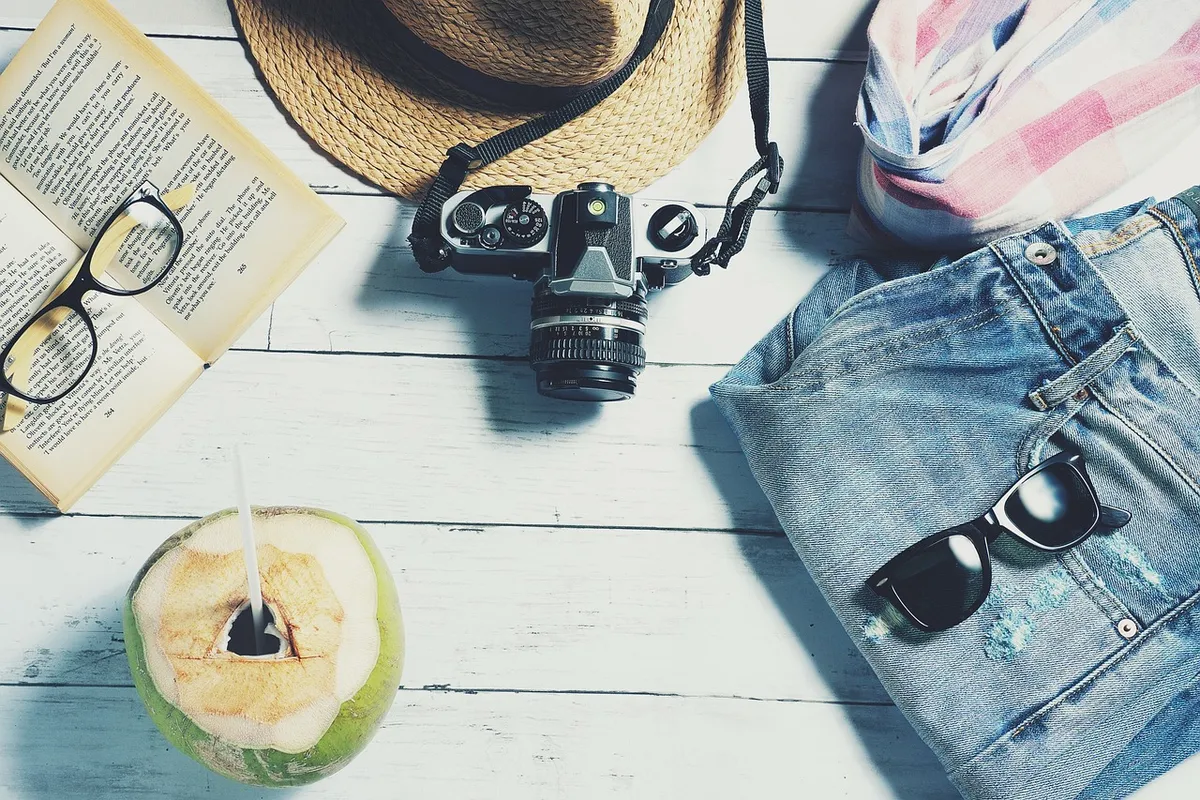
At high noon in the sunny backyard, a child reaches for a sturdy kit to test the weight of the new kids leisure gear. A child reaches for a colorful toy or a sturdy outdoor kit during a sunny afternoon. Choosing the right equipment requires balancing safety with engagement to ensure long-term use.
The 2026 Kids Leisure Ranking identifies products that meet current demand for active and imaginative play. This ranking highlights items that provide both entertainment and developmental benefits.
The best kids leisure gear often includes items that promote motor skills and social interaction. We look at how these products serve different age groups and environments.
Top kids leisure products generally fall into categories like outdoor adventure, creative arts, and educational play. Selecting these items helps parents find value in every purchase.
This ranking evaluates products based on durability, safety standards, and engagement levels for children.
How to choose the best kids leisure gear?
While standing in the dusty garden at noon, a parent lifts the heavy box to test the weight of the new kids leisure gear.
A parent examines a brightly colored bicycle or a set of binoculars before a family trip. They weigh the weight of the item against the child's current physical capabilities.
When buying kids leisure gear, the first step is to assess the child's age and physical development. Items should be challenging enough to be engaging but safe enough to prevent injury.
The second step involves checking the durability of the materials. Since kids often use gear in various environments, sturdiness is a vital factor in longevity.
The third step is to verify the educational or skill-building potential of the product. A final check ensures the item fits within the available space at home or in the yard.
I once helped a friend pick out a set of outdoor tools, and we focused entirely on the weight of the handles to ensure they were manageable for a toddler.
- Assess the age appropriateness of the activity.
- Check the material durability for outdoor use.
- Verify safety certifications for peace of mind.
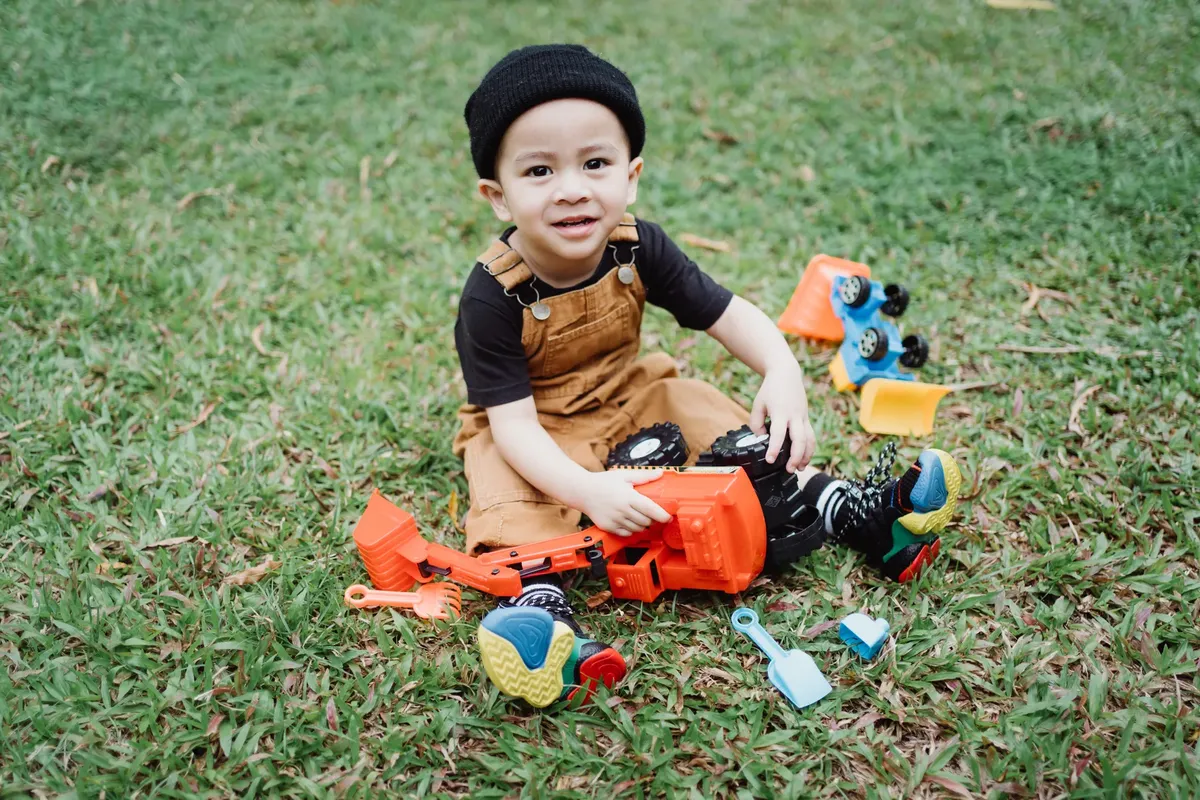
What are the top trends in kids' leisure? A child runs through a backyard, equipped with a new set of exploration tools. The excitement of discovery drives the demand for interactive outdoor equipment.
Current 2026 kids leisure trends show a shift toward experiential play. Parents are increasingly looking for products that allow children to explore the natural world.
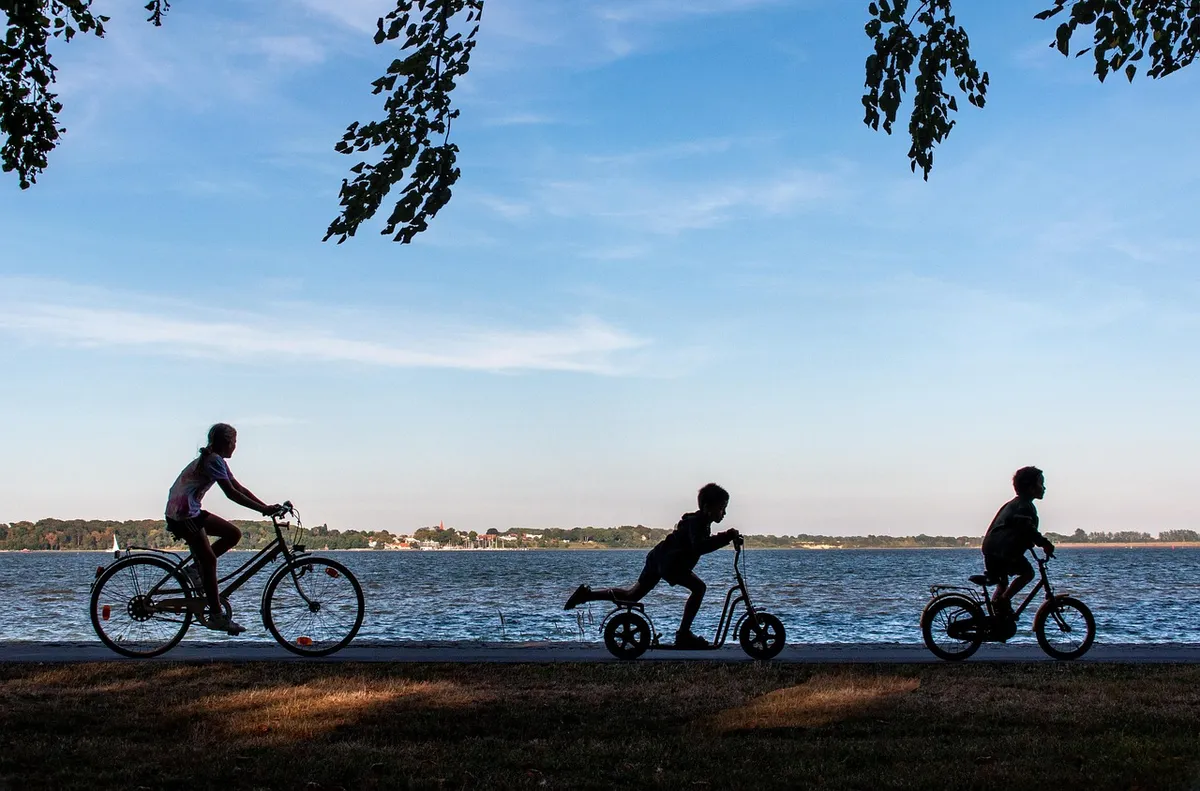
The 2026 kids leisure trends emphasize hands-on interaction over passive screen time. This shift makes exploration-based kits highly sought after.
Popular kids leisure items often include kits for science, nature, or creative building. These products allow for repetitive use and growing complexity.
I find that the third trend is the most significant for modern families.
How to use a 2026 kids leisure guide?
A family sits around a kitchen table, reviewing a printed guide before a weekend camping trip. They compare different types of tents and walking gear to make an informed decision.
Using a 2026 kids leisure guide helps narrow down the vast selection of available products. A good guide clarifies which items are suitable for specific activities.
To use a guide effectively, first identify the primary activity, such as hiking or backyard camping. Next, cross-reference the gear requirements with the child's age.
Finally, use the guide to compare features like portability and ease of assembly. This systematic approach prevents unnecessary spending on incompatible gear.
Can we compare kids leisure items?
A child compares two different models of a swing set in a catalog. One is much larger and more complex, while the other is compact and easy to move.
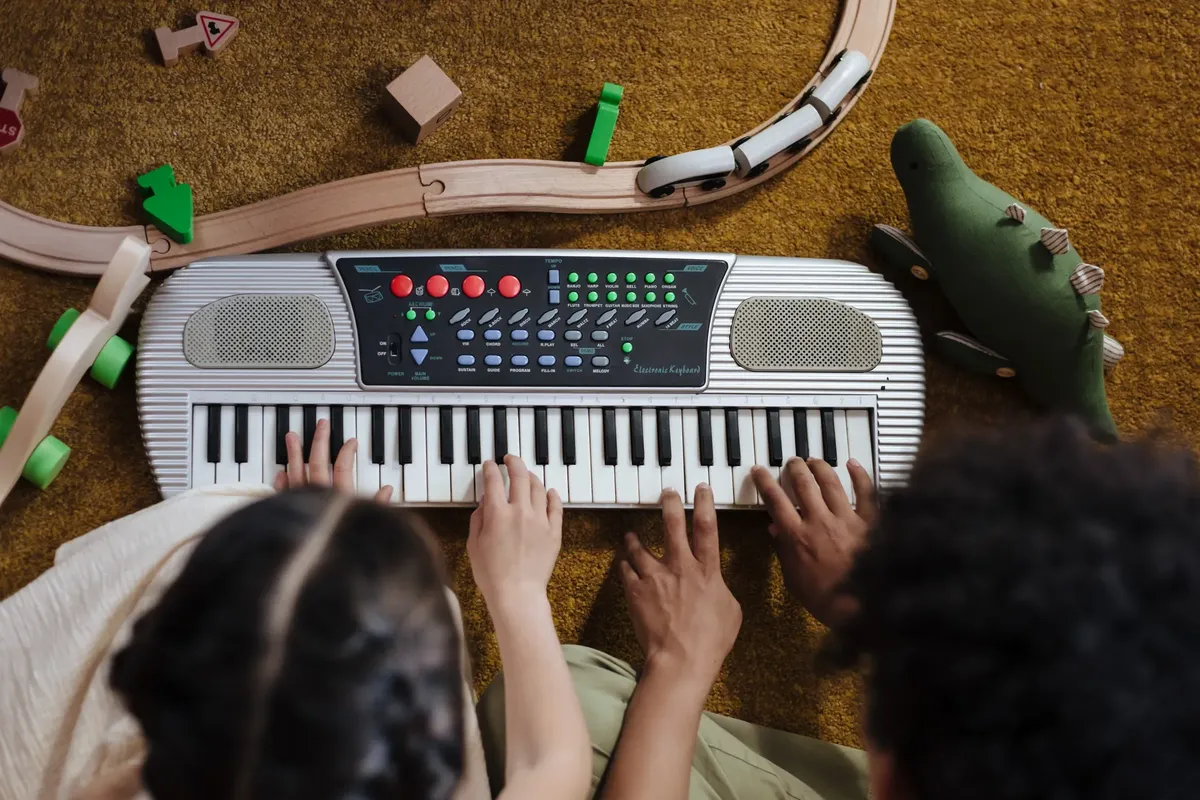
Comparing kids leisure items requires looking at specific attributes like size, weight, and functionality. This allows for a better understanding of how an item fits into a family's lifestyle.
| Feature | Active Outdoor Gear | Creative Indoor Gear |
|---|---|---|
| Primary Use | Physical movement | Imaginative play |
| Portability | Medium to Low | High |
I find that comparing the weight of outdoor gear against its durability is the most important part of our selection process.
A limitation of these comparisons is that specific product availability varies by region and specific manufacturer specifications.
Related



Comments 0