Prime value creation: Tips for scaling digital logistics
"The digital and physical worlds are no longer separate, as the intersection of logistics and cloud-based services redefines how value is delivered to the consumer."
Amazon Prime value creation relies on a complex ecosystem of digital services and logistical infrastructure that drives customer loyalty.
This analysis explores how the integration of these sectors forms a unique value proposition, while also examining the regulatory and competitive challenges that arise from such massive scale.
Key takeaways: * The synergy between digital platforms and logistics creates a multi-layered service model. * Regulatory scrutiny often follows the expansion of market dominance in both digital and physical sectors.

* Diversification into cloud computing and educational platforms expands the scope of the brand beyond retail.
How does the integration of digital and physical services work?
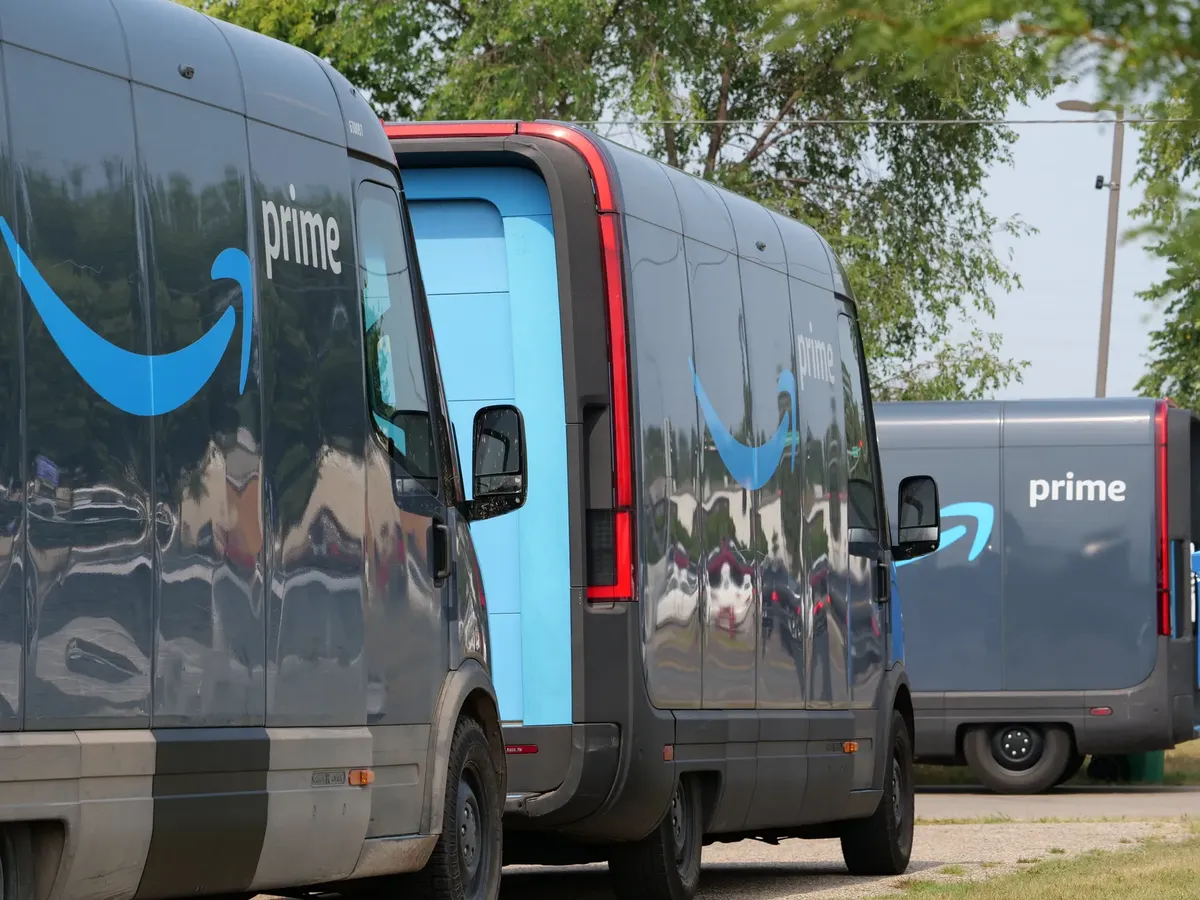
A customer clicks a button on a screen, and a package arrives at their doorstep within hours. This seamless transition from a digital interface to a physical delivery is the core of the Prime experience.
The intersection of these two worlds allows for rapid scaling and deep customer engagement. By combining digital accessibility with robust logistics, the company ensures that the value proposition is felt both in the virtual space and in the physical home.
This dual approach helps maintain a constant presence in the daily lives of users.
Analyzing Prime customer value requires understanding how these different service pillars support one another. While the digital interface facilitates the discovery of goods, the physical delivery fulfills the promise made on the screen.
This feedback loop is essential for maintaining high engagement levels across different demographics.
- Synchronize real-time data between hardware and software.
- Deploy automated fulfillment protocols.
- Update user interfaces based on physical interaction triggers.
- In this sequence, the second step is the most extensive.
What role does cloud infrastructure play in this ecosystem? Amazon Prime value creation
In the dim light of the office, a developer stares at the monitor while the hum of the server room vibrates through the floor, powering the prime ecosystem.
A developer logs into a console to rent computing power, while a retail customer tracks a shipment on a mobile app. These two activities, though different in nature, rely on the same underlying technological advancements.
The shift toward enterprise services has provided a foundation for much of the modern digital economy.
This technological backbone supports both internal operations and external client needs.
Impact of Prime logistics is often viewed through the lens of consumer convenience, but the digital infrastructure is what makes such precision possible. The ability to manage massive amounts of data and compute-intensive tasks allows for the optimization of the entire supply chain.
This technological depth ensures that the digital and physical components remain synchronized.
How has the company expanded into different digital sectors?
An engineering student opens a laptop to study for a difficult exam, moving away from traditional textbook-only learning. This represents the expansion of digital services into specialized educational niches.
The company has sought to diversify its digital footprint through various specialized platforms.
This move shows an intent to capture value in the education sector.
Prime digital logistics strategies often involve tapping into these specific demographic needs to increase the utility of the brand. By providing specialized tools, the company embeds itself into various professional and educational workflows.
This diversification creates multiple touchpoints for users beyond simple retail transactions.
What are the legal and competitive challenges of this scale?
A courtroom debate begins as industry groups argue over market fairness and the impact of dominant players. These legal battles often center on how much influence a single entity should have over a specific market.
The expansion of such a massive ecosystem has led to significant regulatory scrutiny globally. In 2002, the Canadian Booksellers Association and Indigo Books and Music sought a court ruling that Amazon's partnership with Canada Post represented an attempt to circumvent Canadian law.
Such disputes highlight the friction between large-scale partnerships and local regulatory frameworks.
Analyzing Prime customer value must account for the tension between innovation and antitrust concerns. While consumers benefit from efficiency, competitors and regulatory bodies often raise questions about market access and fair play.
These legal hurdles remain a constant factor in the company's global operations.
How do regulatory bodies address marketing and competition?
A government official reviews a case of disputed advertising to ensure transparency for consumers. This oversight is a fundamental part of maintaining a fair marketplace.
Regulatory actions have occasionally targeted how the company communicates its value to the public.
According to deputy commissioner for deceptive marketing practices Josephine Palumbo, Amazon.ca was required by the Canadian Competition Bureau to pay a $1 million penalty and $100,000 in costs for failing to provide "truth in advertising".
This serves as a reminder of the importance of transparency in marketing.
The tension between digital growth and market competition is a recurring theme in regulatory investigations. Different regions apply different standards to ensure that dominant players do not unfairly disadvantage smaller competitors.
These interventions shape how the company evolves its service models.
How can businesses navigate the complexities of a dominant ecosystem?
A small business owner manages an inventory through a digital dashboard, trying to keep pace with much larger competitors. This balancing act is a daily reality for many participants in the global marketplace.
Businesses operating within this ecosystem must adapt to high standards of efficiency and digital integration. The scale of the environment requires a sophisticated understanding of both the technology and the logistics involved.
Navigating this requires careful strategic planning to remain competitive.

- Integrate digital tools to manage inventory and customer data effectively. 2. Align logistics strategies with the digital platform's capabilities. 3. Monitor regulatory changes to ensure compliance in different markets. 4. Perform a final check of all marketing claims to maintain transparency.
I have observed that businesses that successfully leverage these digital tools often find it easier to scale their physical operations.
A limitation of this analysis is that it focuses on specific historical and regulatory snapshots rather than the real-time fluctuations of the entire global market.
The subject here is Amazon Prime value creation.
The same subject is also called Prime subscription benefits.
The same subject is also called Amazon delivery innovation.
The same subject is also called Digital and physical value.
This part also covers How Prime merges services.
How Prime merges services
Related






Comments 0