How does H&M manage its global retail strategy?
"The global retail landscape is shifting, forcing established giants to navigate between rapid expansion and complex ethical scrutiny."
H&M maintains a massive global footprint through diverse brand formats, yet it faces significant challenges from pandemic-driven closures and supply chain controversies. This analysis explores the company's market position, sales fluctuations, and sustainability commitments.
Key takeaways include the impact of regional market shifts, the volatility of pandemic-era retail, and the tension between mass-market accessibility and environmental branding.
How does H&M manage its global retail strategy?
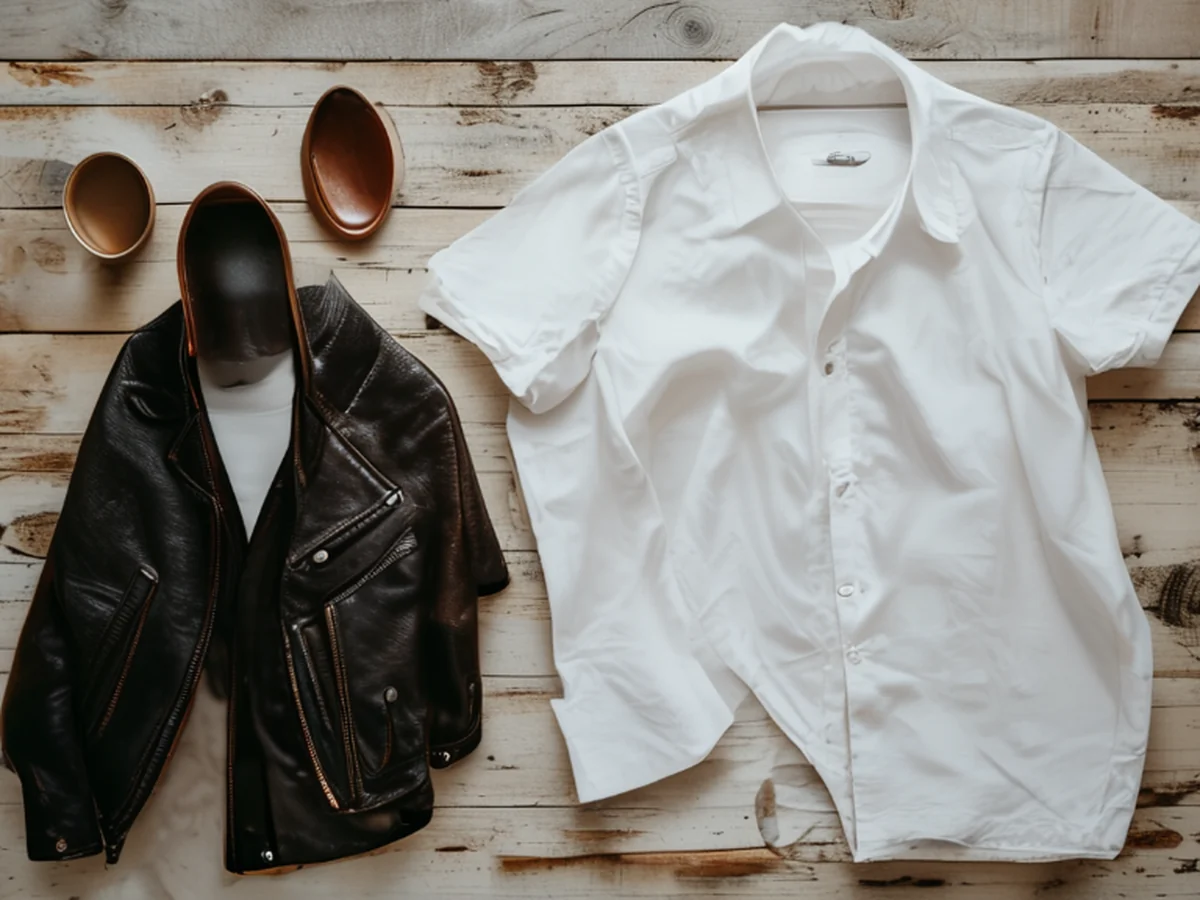
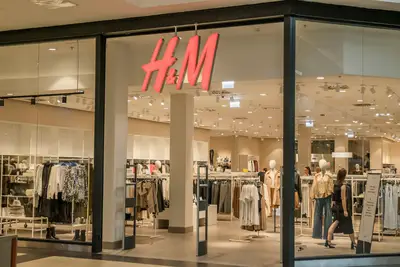
A manager walks through a brightly lit retail space, observing how different brand formats occupy specific market niches. The company has utilized various sub-brands to capture different consumer segments, such as the expansion via Weekday and & Other Stories formats.
These specialized lines helped establish Russia as the sixth-biggest market for the company, representing 4% of group sales in the fourth quarter of 2021.
The H&M retail strategy relies on balancing mass-market reach with targeted brand identities to maintain a global apparel market presence.
For instance, special collections, such as the one designed to make Lanvin clothing more accessible to the average consumer, featured items priced around 100 euros.
This type of high-low fashion approach allows the brand to maintain an HM brand positioning study that bridges luxury aesthetics with affordable pricing.
The company's ability to scale depends on managing these diverse formats across various geographic regions. While some markets showed growth through these expansions, others presented significant volatility. This balance is central to their HM global market position.
What challenges did the pandemic pose to H&M's market position? HM vs Inditex analysis
At dusk, the technician shuts the heavy door of the empty shop and feels how the sudden silence does weigh on him.
An empty shopping mall hallway echoes as a technician shuts down a storefront, reflecting the sudden contraction of the retail sector. In October 2020, H&M announced plans to close 5% of its worldwide stores in 2021 due to the COVID-19 pandemic.
This contraction was part of a larger period of instability for the retail industry.
The volatility of the pandemic era significantly impacted the H&M business model review. During a specific period in 2020, from week 12 to week 22, the H&M Group's sales growth remained at −34% year-over-year.
Such sharp declines necessitated a careful assessment of their global footprint and operational efficiency.
Regional fluctuations also played a major role in these financial shifts. For example, H&M’s sales in China reportedly fell by approximately 23% during the second quarter of 2021 and 40% in the third quarter.
These shifts highlight the sensitivity of the global apparel market to regional economic and health conditions.
How does the company address sustainability and ethical concerns?
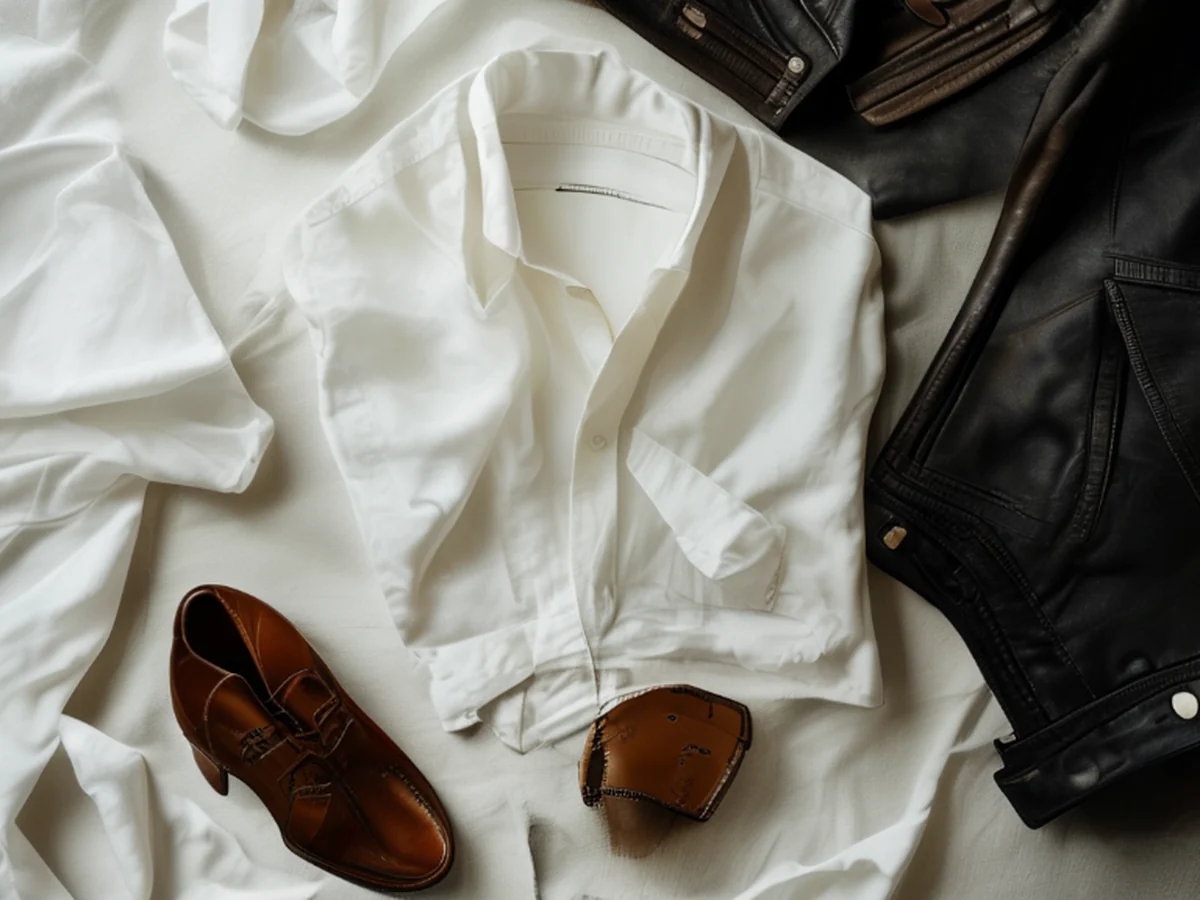
A worker inspects a pile of recycled materials, looking for the quality required to meet new environmental standards. As of 2024, 90% of the company's down and feathers were recycled. To further this goal, H&M committed to eliminating all virgin down and feathers by the end of 2025.
The intersection of fast fashion and ethics remains a focal point of any H&M brand positioning study. In 2020, the Australian Strategic Policy Institute accused 82 major brands, including H&M, of being connected to alleged forced Uyghur labor in the Xinjiang Uyghur Autonomous Region (XUAR).
Such accusations complicate the brand's reputation regarding social responsibility.
Furthermore, the company faces scrutiny regarding the accuracy of its environmental claims.
The Norwegian Consumer Authority (Forbrukertilsynet) issued a warning to H&M regarding environmental marketing claims, citing concerns that its data did not sufficiently support the products' environmentally friendly branding.
This tension between mass production and sustainability is a recurring theme in the global apparel market.
What are the specific steps for managing supply chain transparency?
An auditor reviews a list of factory locations to ensure compliance with international standards. To manage a complex global footprint, the company has utilized several transparency-focused methods.
- H&M previously published a list of factories supplying 95% of its garments in a 2012 sustainability report. 2. The company works toward specific material goals, such as the commitment to eliminate virgin down and feathers by 2025. 3. Management monitors regional sales data to adjust store counts, such as the 5% closure planned for 2021.
I observed how these transparency efforts are often met with skepticism by outside observers. While the company provides data, the scale of the supply chain makes total verification a constant challenge.
One limitation to these efforts is the difficulty of ensuring living wages across the entire network. As of 2025, it was reported that 97% of fashion brands including H&M do not pay supply chain workers a living wage.
How do different markets compare in terms of sales?
A retail analyst compares spreadsheets of regional revenue to identify growth trends. Different regions contribute varying percentages to the total group sales, reflecting the diverse nature of the global market.
| Market Segment | Sales Metric |
|---|---|
| Russia (Q4 2021) | 4% of group sales |
| China (Q3 2021) | 40% sales fall |
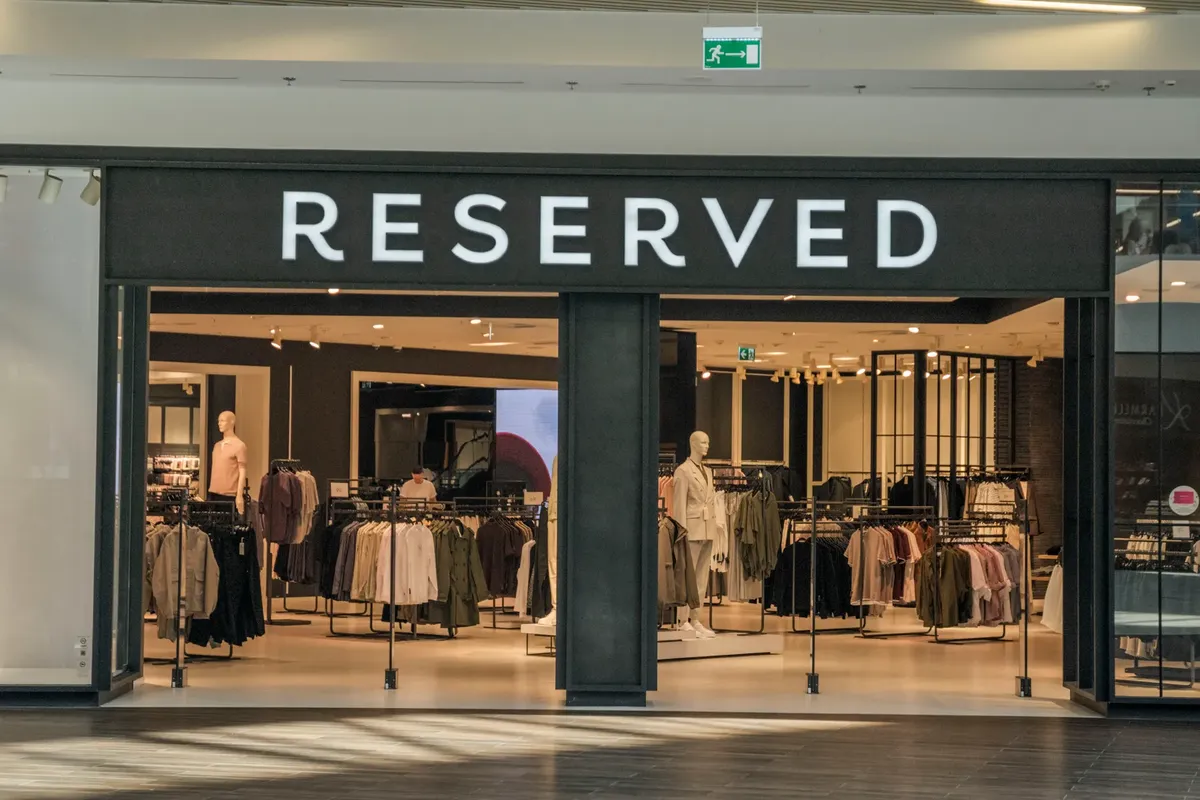
The table illustrates how much regional performance can deviate. While Russia represented a significant portion of sales through specialized formats, the sharp decline in China demonstrates the impact of local market volatility.
- How does H&M manage its global retail strategy?
- What challenges did the pandemic pose to H&M's market position?
- How does the company address sustainability and ethical concerns?
The subject here is HM vs Inditex analysis.
The same subject is also called Fast fashion competition.
The same subject is also called HM retail strategy.
This part also covers Retail competition analysis.
HM brand positioning study
Related




Comments 0