H&M business model analysis: How to pivot through shifts
"The ability to pivot through global disruptions defines the resilience of a retail giant."
H&M business model analysis reveals a strategy built on rapid expansion and high-volume turnover, though it faces significant volatility from global shifts. This analysis covers market fluctuations, sustainability commitments, and expansion tactics.
Key takeaways include the impact of pandemic-driven store closures, the role of diverse brand formats in market penetration, and the transition toward recycled materials.
How does the H&M business model analysis handle market volatility?
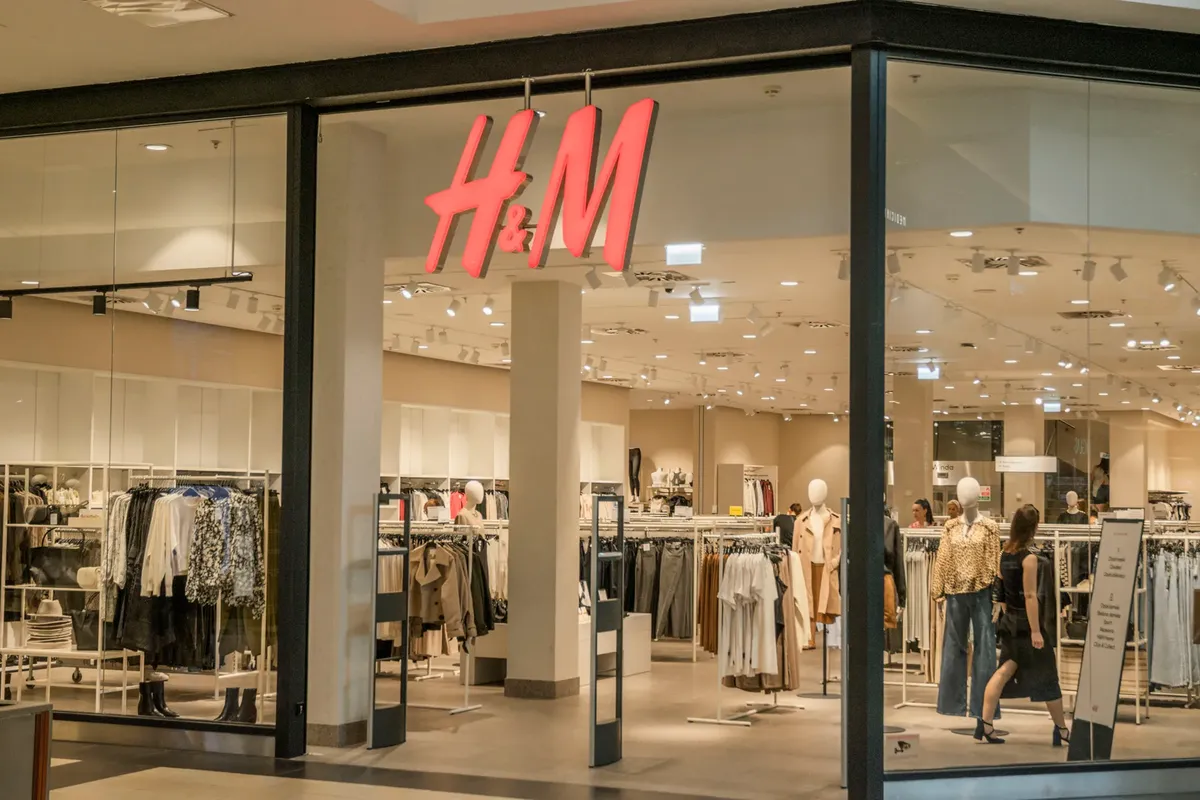
In the quiet office at midnight, the manager rubs tired eyes while scanning the volatile business reports.
A retail manager reviews quarterly sales reports to understand shifting consumer demand. The H&M Group's sales growth remained at −34% year-over-year from 2020 week 12 to week 22. According to World Bank data, the world recorded high-technology share of manufactured exports of 24.7% in 2024.
This sharp decline highlights how external shocks directly impact high-volume retail models. Sudden drops in revenue necessitate rapid adjustments in inventory and footprint management to maintain liquidity.
The company faced significant headwinds during global health crises. In October 2020, H&M announced that it was planning to close 5% of its worldwide stores in 2021 as a result of the COVID-19 pandemic.
Such strategic downsizing aims to stabilize the balance sheet during periods of reduced foot traffic. This move reflects a necessary shift from aggressive growth to operational preservation.
What drives H&M fast fashion strategy in diverse regions?
An expansion specialist looks at a map of global retail locations to identify growth opportunities. Having recently expanded via its Weekday and & Other Stories formats, Russia was H&M's sixth-biggest market at the time, representing 4% of group sales in the fourth quarter of 2021.
According to World Bank data, the world recorded share of internet users of 73.6% in 2025.
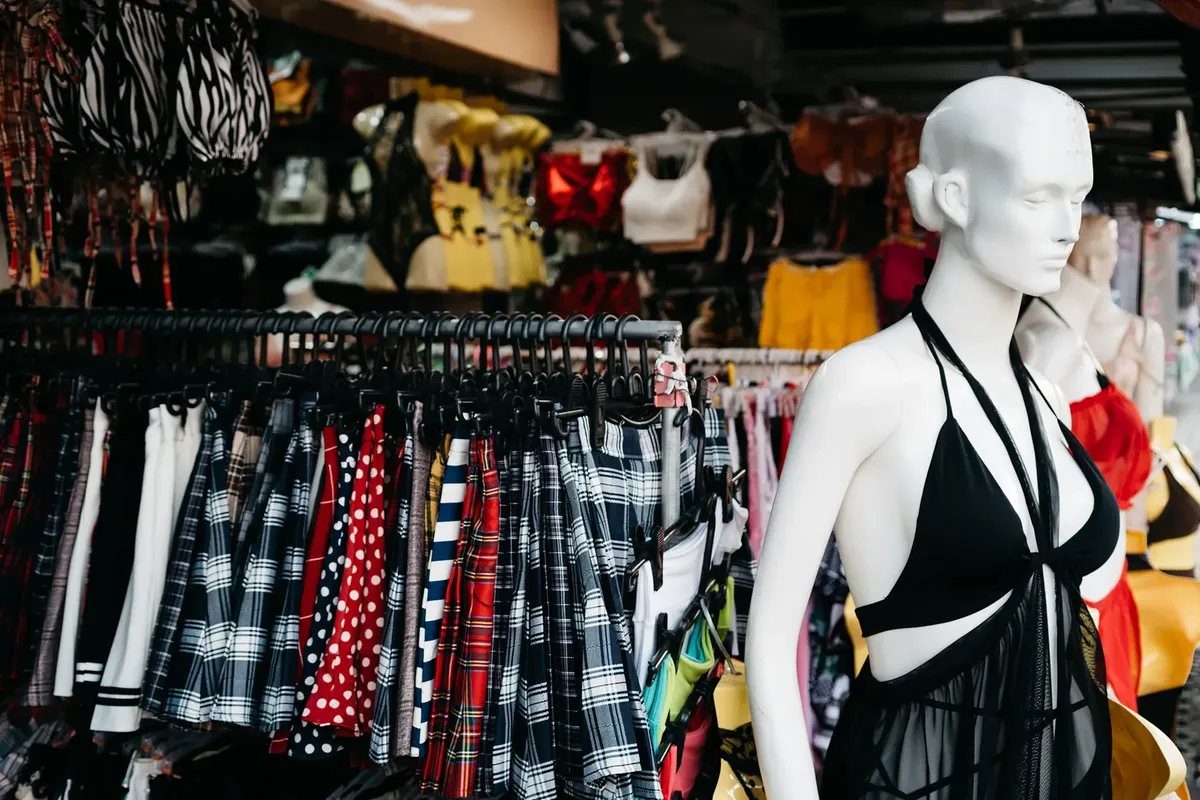
Using diverse brand formats allows the company to capture different consumer segments simultaneously. This multi-brand approach helps mitigate risk by spreading presence across various demographic niches.
Regional performance varies significantly based on local economic stability and consumer behavior. For instance, H&M’s sales in China reportedly fell by approximately 23% during the second quarter of 2021 and 40% in the third quarter.
These fluctuations necessitate a flexible supply chain that can react to localized economic downturns. Success in one region does not guarantee stability in another.
How is global retail expansion H&M managed through product accessibility?
In the bright studio, the designer leans forward to touch the silk, contemplating how to bring luxury to the mass-market business.
A designer examines a high-fashion collaboration to see how luxury aesthetics meet mass-market pricing. The collection, designed to make Lanvin clothing more accessible to the average consumer, featured items that were around 100 euros.
Collaborations allow the brand to elevate its image while maintaining its core identity of affordability. This strategy brings premium design sensibilities to a much broader audience.
High-street brands often use these partnerships to drive brand heat and interest. By offering designer looks at accessible price points, they attract a wider variety of shoppers.
What are the key elements of the H&M clothing brand model regarding sustainability?
A sustainability officer reviews a factory list to ensure compliance with environmental standards. The Guardian wrote that in a conscious action sustainability report for 2012, H&M published a list of factories supplying 95% of its garments.
Transparency in the supply chain is a critical component of modern brand management. Providing visibility into manufacturing locations helps address consumer demands for ethical oversight.
Material sourcing is another pillar of the brand's operational strategy. While 90% of the company's down and feathers were recycled as of 2024, H&M committed to eliminating all virgin down and feathers by the end of 2025.
This commitment shows a move toward circularity within the product lifecycle. Transitioning away from virgin materials requires significant changes in sourcing and production technology.
How does the H&M supply chain review address ethical concerns?
A logistics coordinator tracks a shipment of garments from a factory to a distribution center. As of 2025, it was reported that 97% of fashion brands including H&M do not pay supply chain workers a living wage.
This statistic highlights a systemic challenge within the global garment industry. Addressing wage gaps is a complex task that involves negotiating with diverse global suppliers.
The pressure to maintain low prices often conflicts with the goal of providing fair wages. Balancing cost-efficiency with ethical labor practices remains a central tension in the business model.
The following table compares two specific data points regarding the brand's historical market presence and material goals.
| Metric Category | Specific Data Point |
|---|---|
| Market Share (Russia, Q4 2021) | 4% of group sales |
| Material Goal (Down/Feathers) | Eliminate all virgin use by end of 2025 |
I observed how these specific regional figures and material targets shape the long-term planning of the group.
- How does the H&M business model analysis handle market volatility?
- What drives H&M fast fashion strategy in diverse regions?
- How is global retail expansion H&M managed through product accessibility?
The subject here is H&M business model analysis.
The same subject is also called Stockholm fashion market.
This part also covers Fast fashion market trends.
This part also covers H&M global store growth.
Related







Comments 0