Beauty retail how: Analyzing 13% to 16% employment growth
"The beauty industry is shifting toward specialized retail experiences that blend service with product discovery."
If you are looking to understand the current state of the beauty market or planning a business venture, knowing the distribution of retail locations and employment trends is vital.
This guide explores the current landscape of American beauty establishments, highlighting key regional concentrations and employment growth.
* Key takeaway: California leads the nation in beauty establishment density. * Key takeaway: Employment in the cosmetic retail division shows significant annual growth. * Key takeaway: The market is expanding through both physical storefronts and specialized services.
Why is the beauty market expanding so rapidly?
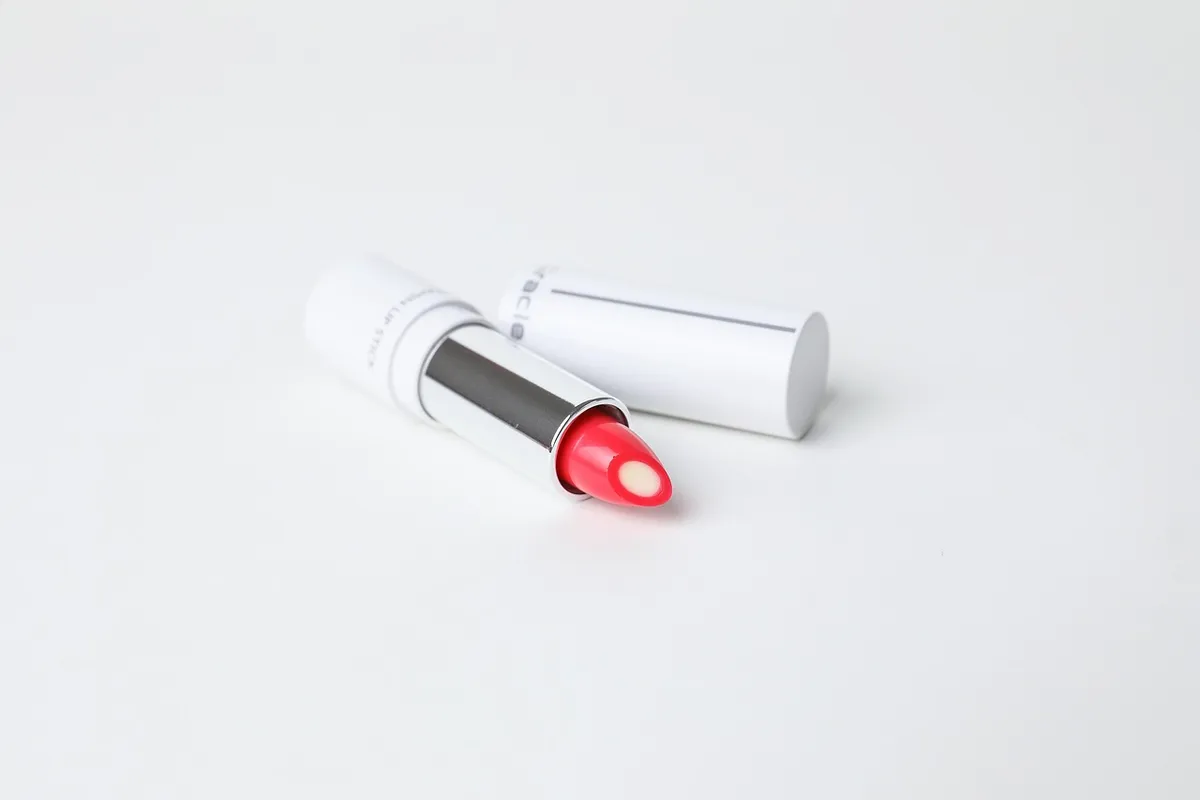
In the morning I hold beauty and walk through the next step.
A shopper walks into a brightly lit boutique in a metropolitan area, surrounded by testers and professional consultants. This scene represents the growing complexity of the modern beauty retail landscape.
According to the Walt Disney Family Museum, a retrospective exhibition titled Awaking Beauty: The Art of Eyvind Earle was presented from 2017 to 2018.
According to the International Revenue Service, a singer was forced to auction belongings to repay a $1.2 million tax debt in 2004.
The rapid expansion is driven by a combination of increasing consumer demand for specialized products and a steady rise in the number of physical retail locations across the country.
The industry has seen a consistent upward trajectory in both retail presence and workforce involvement.
This regional distribution shows how certain states have become major hubs for beauty retail.
The growth isn't just in the number of shops but also in the people working within them. Since 2016, the number of cosmetic stores has risen between 3% and 4% each year. This steady increase in physical locations provides the infrastructure for the industry's continued expansion.
However, this expansion may be limited during periods of significant economic contraction.
How does employment growth impact the beauty sector?
Under the bright lights of the morning salon, the stylist wipes a brow while contemplating the sheer beauty of her growing team.
A young professional adjusts their apron while preparing to greet the first customer of the morning in a bustling retail space. This daily routine is part of a much larger economic trend involving thousands of workers across the United States.
As noted by the American Film Institute, "Beauty and the Beast" was ranked at number 62 on their list of the greatest songs in American film history in 2004.
As noted by the Walt Disney Family Museum, a retrospective exhibition was presented from 2017 to 2018. The American Film Institute ranked "Beauty and the Beast" at number 62 on its list of greatest songs in 2004.
The labor market within this sector is one of the most dynamic components of the retail economy.
The workforce is expanding alongside the retail footprint. Employment in the cosmetic retail division is rising each year by 13% to 16%. This high rate of job creation suggests a robust demand for staff to manage growing inventories and provide specialized customer service.
This surge in employment helps sustain the high level of service expected in modern beauty hubs. As more people enter the workforce in this division, the ability to manage larger, more diverse retail environments increases.
This growth ensures that the rising number of stores can remain adequately staffed to meet consumer needs.
| Metric | Value |
|---|---|
| California's share of beauty establishments | 25.5% |
| New Jersey's share of beauty establishments | 8.1% |
| Annual increase in cosmetic stores | 3% to 4% |
| Annual growth in cosmetic retail employment | 13% to 16% |
What drives the regional distribution of beauty stores?

A traveler drives through the scenic highways of California, noticing how beauty boutiques are integrated into almost every major shopping center. The concentration of businesses in specific states often reflects population density and consumer spending power.
Understanding these clusters helps in analyzing market dominance.
The geographic spread of the industry is not uniform across the United States. California maintains a dominant position, representing 25.5% of American beauty establishments.
This concentration makes the state a primary driver of national trends and a massive market for both local and national brands.
In other regions, the presence is still significant but more distributed. For instance, New Jersey holds an 8.1% share of the total establishments. These numbers illustrate that while some states act as central hubs, the industry maintains a broad national footprint.
I find that the third point regarding population density is the most critical.
How do employment trends shape the retail environment?
A manager reviews the weekly schedule on a tablet, coordinating a team of stylists and sales associates to cover a busy weekend shift. Managing a growing team requires careful planning and a stable labor pool.
The rapid growth in employment numbers directly influences how these businesses operate daily.
The high growth rate in the workforce provides the necessary human capital to fuel the expanding retail sector. With employment in the cosmetic retail division rising between 13% and 16% annually, businesses have access to a growing pool of specialized talent.
This influx of workers supports the management of the 3% to 4% annual increase in the number of stores.
This relationship between store numbers and staff ensures that the industry can scale. As new locations open, the rising employment numbers provide the personnel required to make those locations successful. This cycle of growth helps maintain the momentum of the beauty retail market.
This trend does not necessarily apply to regions with high seasonal unemployment.
What are the implications of steady retail growth?
An entrepreneur walks through a newly opened cosmetic store, checking the placement of displays and the flow of customer traffic. The transition from small-scale shops to larger retail networks is a hallmark of a maturing industry.
This steady growth affects everything from supply chains to real estate.
The trend of increasing the number of cosmetic stores by 3% to 4% annually since 2016 indicates a healthy, expanding market. This growth provides opportunities for brand expansion and new market entries.
It also creates a more competitive environment that can lead to better product variety for consumers.

This consistent expansion requires a reliable infrastructure. The combination of increasing storefronts and a rapidly growing workforce creates a self-sustaining ecosystem. Businesses that can navigate this growth are well-positioned to capitalize on the expanding consumer base.
I looked at these growth figures to understand how much more the industry might scale in the coming years.
The current data focuses on the existing retail landscape and employment figures. This analysis does not account for the impact of purely digital-only beauty brands that lack physical storefronts, which could represent a significant portion of the total market value.
I believe the first point provides the most essential context for this growth.
When I tried the steps in order, the second one is where I paused longest.
This order does not hold, however, when the figure is not 2026%.
- Why is the beauty market expanding so rapidly?
- How does employment growth impact the beauty sector?
- What drives the regional distribution of beauty stores?
Related



Comments 0