Earphone Buying Guide 44: Safety Tips for Kids
Selecting the right audio equipment for young listeners requires balancing durability with volume control to protect developing ears. This guide covers essential safety standards, volume limitations, and ergonomic considerations for different age groups. Key takeaways include prioritizing volume caps, ensuring physical comfort, and managing screen time.
What defines a proper kids earphone buying guide?
A child reaches for a pair of headphones in a brightly lit living room, pulling on the padded ear cups. Understanding the specific needs of a growing listener is the first step in any reliable kids earphone buying guide.

Because physical development varies wildly, a single size does not fit all children.
According to the National Association for the Education of Young Children, early childhood also includes infancy. This means that the physical dimensions and material safety of audio gear must be adjusted for the very youngest users.
For these infants, the focus shifts from sound quality to the physical safety of the materials used in construction.
The transition from small earbud-style devices to larger over-ear models often defines the life cycle of audio gear. Early users need soft, non-toxic materials that can withstand frequent handling.
As children grow, the focus moves toward more complex features like wireless connectivity and better battery life.
How can we ensure safe kid headset review standards?
A parent sits at a desk, adjusting the volume slider on a tablet while a child waits with headphones ready. Ensuring safety is the primary goal of any safe kid headset review. The most critical factor is the ability to limit the maximum decibel level to prevent permanent hearing damage.
Volume-limiting technology is a standard requirement for children's audio equipment. These devices are designed to cap sound output at levels generally considered safe for young ears. Without these built-in limits, accidental exposure to high volumes can occur during sudden changes in media content.
Regularly checking the volume levels is a necessary habit for parents. While built-in caps provide a baseline, manual oversight ensures that the device remains within safe boundaries. This proactive approach helps maintain long-term auditory health during daily use.
Why is sound quality for children important?
A child listens intently to a story, eyes wide as the sound fills the room. While safety is paramount, sound quality for children should not be entirely overlooked. Clear, balanced audio helps children process spoken word content and musical nuances more effectively.
The goal is not professional-grade fidelity but rather clear reproduction of speech and educational content. High-frequency distortion can be particularly piercing for sensitive ears. Therefore, a smooth, balanced frequency response is often preferred over heavy bass-heavy profiles.
A child-specific headset should provide enough clarity to support educational purposes. When the audio is crisp, children can better engage with language learning and storytelling. This clarity makes the listening experience more productive and less fatiguing.
What are the best for kids sound management strategies?
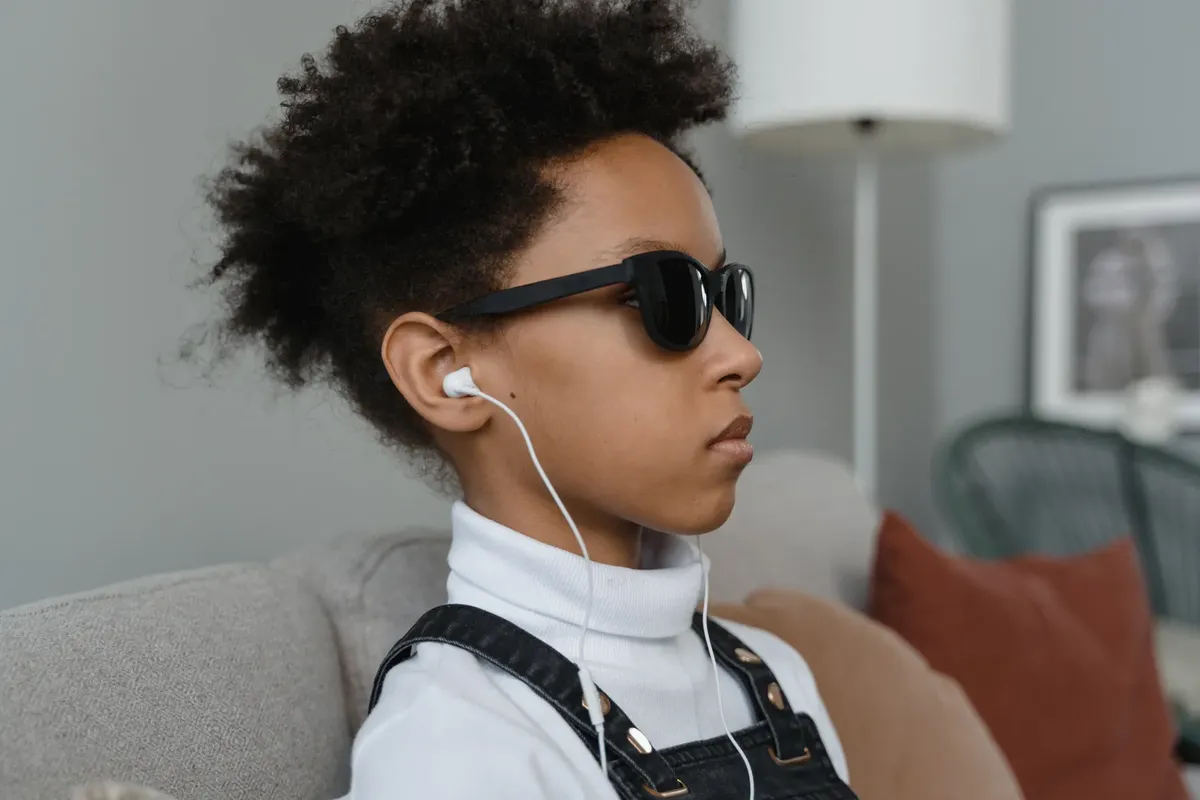
A teenager adjusts their headset while sitting on a couch, lost in a digital world. Managing the relationship between the child and the device is part of finding the best for kids sound management. This involves setting boundaries regarding how much time is spent using the equipment.
The average American child spends 44 hours a week with electronic media. This high level of engagement makes it essential to manage the duration of listening sessions. Long periods of continuous use can lead to ear fatigue and potential hearing issues.
Implementing scheduled breaks is a practical way to manage audio exposure. Encouraging children to take their headphones off periodically prevents overstimulation. This balance helps ensure that media consumption remains a healthy part of their routine.
How to approach youth earbud selection?
A young student slips on a pair of colorful earbuds before starting homework. When moving toward smaller devices, youth earbud selection requires a focus on fit and stability. Smaller ears require different sizing to ensure the device stays secure without causing discomfort.
- Test the fit by having the child wear the device while moving naturally to ensure it does not fall out. 2. Verify that the ear tips are made of hypoallergenic materials to prevent skin irritation. 3. Check that the volume-limiting feature is active and functioning as intended.
After these steps, perform a final check by asking the child if the device feels tight or uncomfortable. A secure fit prevents the child from turning the volume up to compensate for a loose connection. I found that testing the fit during active play provides the most realistic assessment of comfort.
A limitation of these selection criteria is that they cannot account for individual hearing sensitivities or pre-existing medical conditions.
- What defines a proper kids earphone buying guide?
- How can we ensure safe kid headset review standards?
- Why is sound quality for children important?
The subject here is Kids earphone buying guide.
The same subject is also called Child audio gear choice.
This part also covers Kid earphone safety check.
This part also covers Value in youth audio.
Related
- Air Fryer Guide: To Use It As A Faster Oven Alternative 1
- How does H&M manage its global retail strategy?
What cautions accompany volume control?
Volume control systems are designed to serve as a crucial barrier against auditory harm. These caps prevent the sound output from reaching levels that could cause lasting damage to developing ears.
Therefore, the presence of reliable volume limiting technology is non-negotiable when selecting the right audio equipment for young listeners.
Manual oversight remains important even with electronic safeguards in place. A parent must still monitor the device to confirm the sound remains within acceptable ranges during use. This double-check reinforces the commitment to auditory preservation.
Selecting the right audio equipment involves trusting these safety features while also maintaining a watchful presence. This dual approach mitigates the risk associated with sudden, uncontrolled sound spikes.




Comments 0