Amazon Prime logistics innovation: How service drives value
"The convenience of a single subscription often masks the complexity of the logistics and digital infrastructure required to maintain it."
Amazon Prime logistics innovation relies on a vast ecosystem of digital services and physical delivery frameworks to maintain high customer value. This analysis explores how Prime delivery efficiency and the broader e-commerce logistics model function through various service layers.
Key takeaways include the integration of digital content, the evolution of delivery speed, and the regulatory challenges regarding subscription management.
How does the e-commerce logistics model function across digital services?
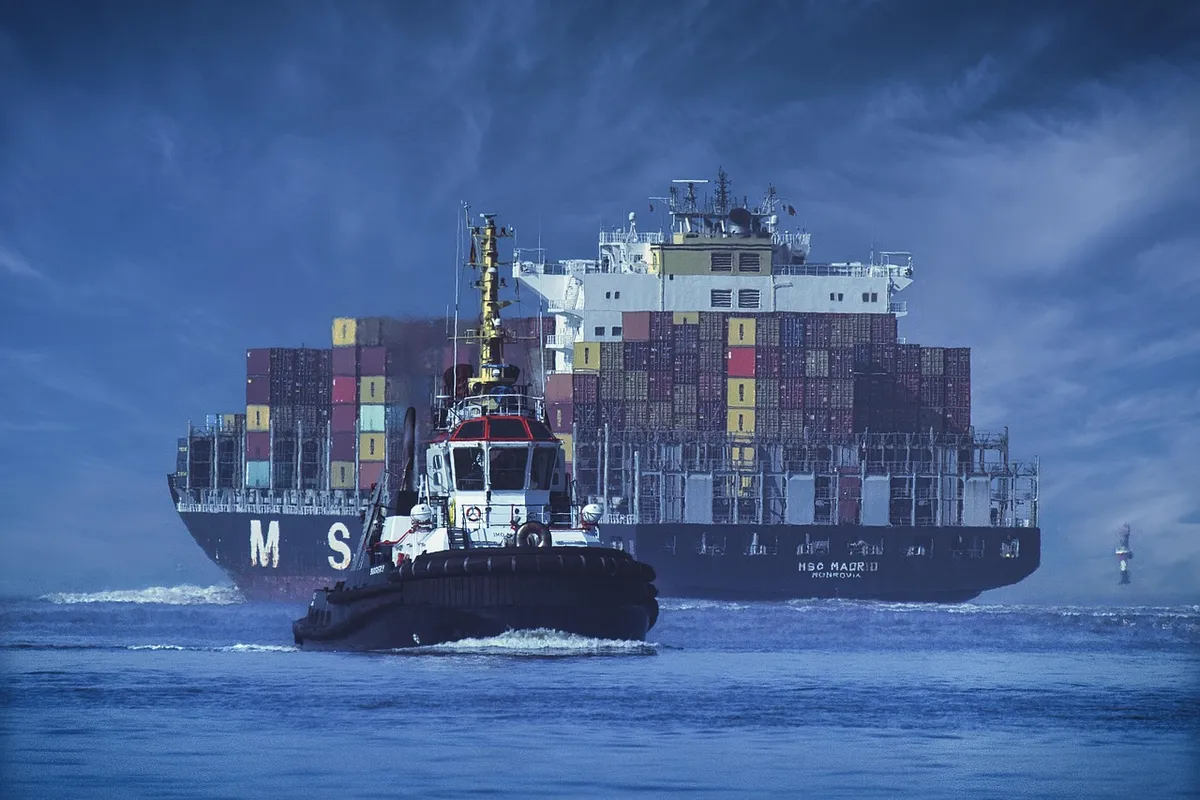
At midnight, I tap my phone screen and feel the sudden rush of relief as my amazon order transitions from a digital click to a physical reality.
A user clicks a button on a screen to receive a physical package or a digital file instantly. This seamless transition between digital and physical realms defines the modern subscription economy impact.
The ecosystem expanded through diverse service offerings that complement physical shipping. For example, in March 2006, Amazon launched an online storage service called Amazon Simple Storage Service (Amazon S3).
This technical foundation supports the massive data requirements of a global retail platform.
Digital content also plays a role in the subscription delivery value. In November 2011, it was announced that Prime members had access to the Kindle Owners' Lending Library, which allowed users to borrow up to one title a month of specified popular Kindle e-books.
While the Kindle Owners' Lending Library was discontinued in January 2021, it represented an early attempt to blend digital access with membership perks.
What drives Prime delivery efficiency in local markets?
At dawn, I watch through the window as the driver sprints toward my porch to drop off an amazon package, feeling the cool morning air against my face.
A driver pulls into a driveway to drop off a package within a tight window. The pressure of time necessitates highly optimized routing and warehouse management.
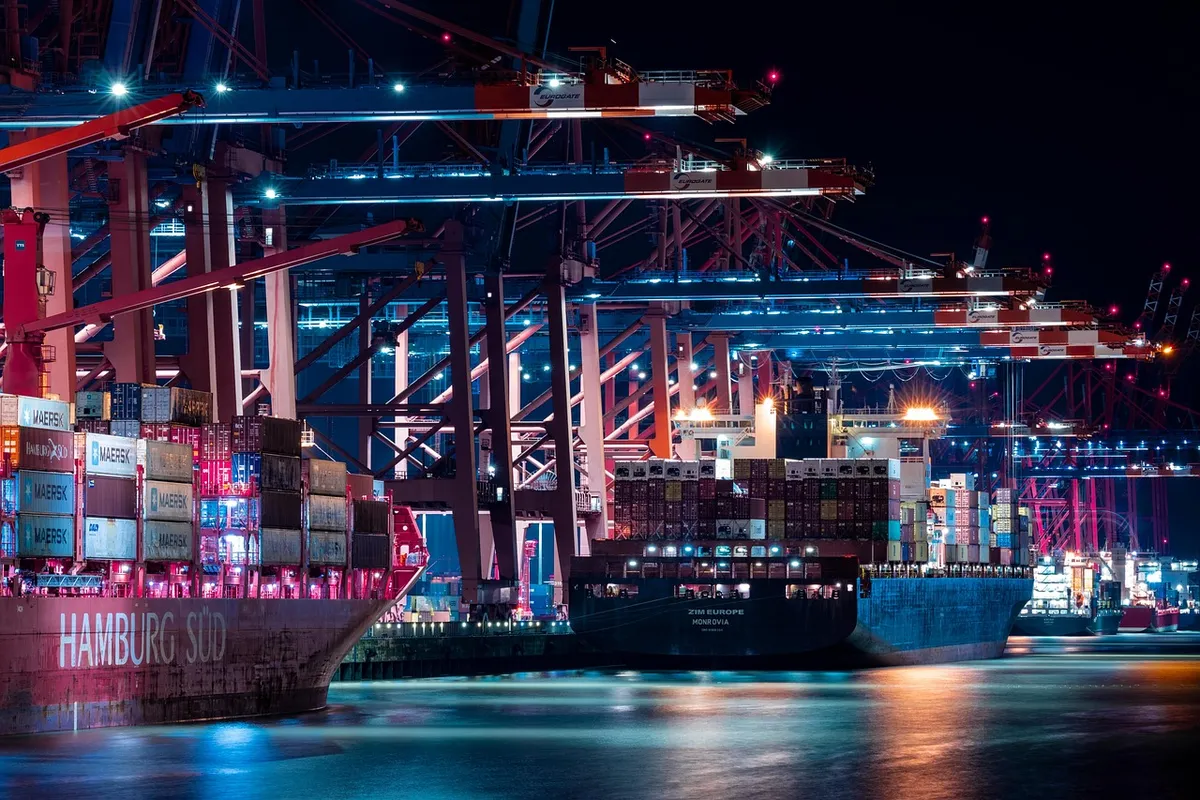
The pursuit of speed led to experimental and specialized delivery methods. In concept, the process would use drones to deliver small packages (less than five pounds) within 30 minutes by flying short distances (10–20 km) from local Amazon Fulfillment Centers.
This type of rapid fulfillment aims to reduce the friction of waiting for standard shipping.
The development of rapid delivery was also seen in localized grocery services. The following May, Amazon debuted Amazon Now, which has a delivery guarantee of 30 minutes or less on selected items such as some groceries and household sundries; Prime members pay a discounted delivery fee.
These specialized delivery windows require a highly responsive local fulfillment network.
How did video services integrate into the subscription model?
Late at night, I sit on my velvet sofa and tap the remote to start an amazon movie, feeling the warm glow of the television screen.
A viewer selects a movie on a smart TV to begin streaming immediately. This integration provides immediate gratification that complements physical goods.
On May 10, 2016, Amazon launched a Video Service called Amazon Video Direct which allows users to place videos available to rent or own, to view free with ads, or to be bundled together, and offered as an ad-on subscription.
This service expanded the scope of what a single subscription could provide.
The revenue model for such content remains structured to support creators. Amazon pays creators 50% of the revenue earned from rental or sale of the videos, but for ad-supported videos, the makers will get a portion of ad receipts.
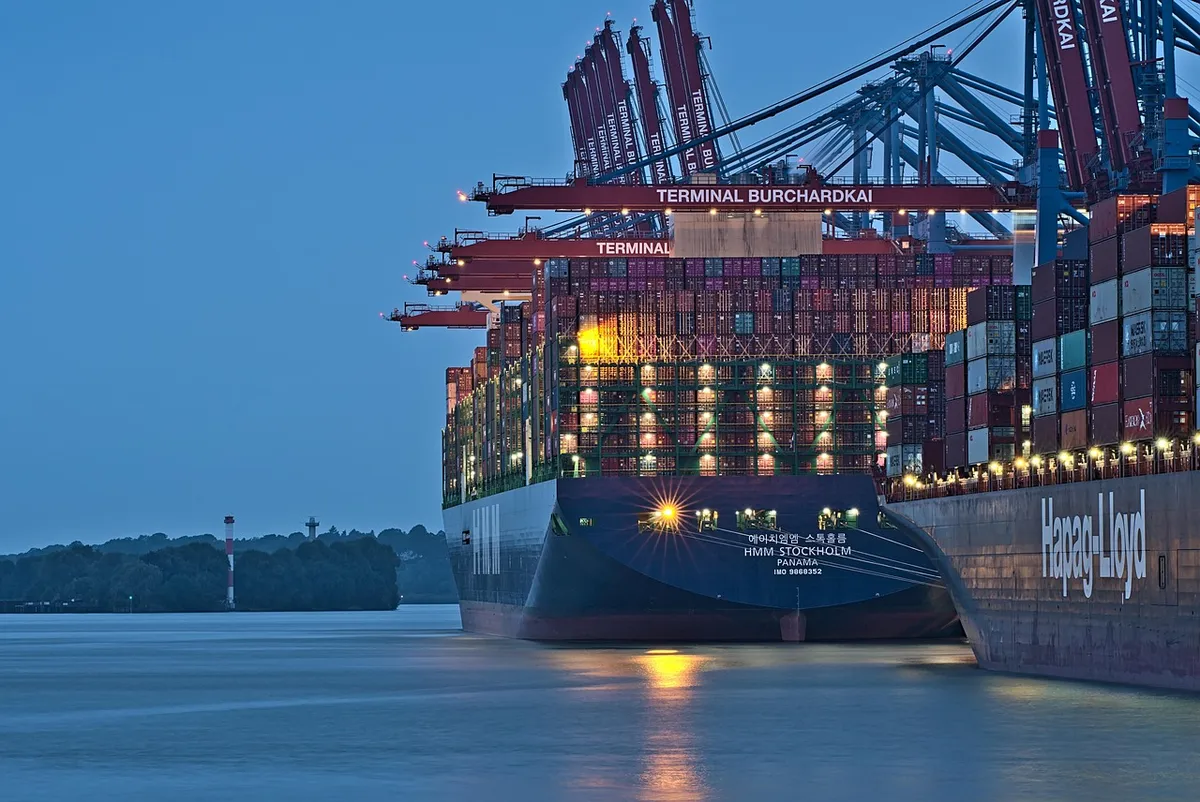
This ensures a constant stream of content to keep users engaged within the ecosystem.
What are the regulatory challenges of subscription management?
A consumer attempts to cancel a recurring payment through a complex menu. The friction in these processes can lead to legal scrutiny.
In June 2023, the Federal Trade Commission (FTC) sued Amazon for its "years-long effort to enroll consumers into its Prime program without their consent while knowingly making it difficult for consumers to cancel their subscriptions," according to the Federal Trade Commission.
The ease of enrollment versus the difficulty of cancellation has become a significant legal issue.
In June 2023, the Federal Trade Commission (FTC) sued Amazon for its "years-long effort to enroll consumers into its Prime program without their consent while knowingly making it difficult for consumers to cancel their subscriptions".
Managing these automated systems requires careful oversight to maintain consumer trust. Regulatory bodies focus on whether the user experience is designed to be deceptive. Ensuring transparency in how subscriptions are managed is a critical hurdle for any global service provider.
How do we compare different service layers?
A manager reviews a spreadsheet comparing different operational costs and service types. Comparing these distinct branches helps clarify the overall business structure.
| Service Type | Key Feature |
|---|---|
| Digital Storage | Amazon S3 (launched March 2006) |

I observed how the expansion from simple storage to complex video hosting changed the scale of the platform. These different layers work together to create a comprehensive user environment.
What are the limitations of this logistical growth?
A technician inspects a drone or a delivery van, noting the physical constraints of the current technology. Every innovation faces real-world boundaries.
The expansion of the subscription model is not without its specific constraints. This shows that not all service experiments remain permanent parts of the ecosystem.
- How does the e-commerce logistics model function across digital services?
- What drives Prime delivery efficiency in local markets?
- How did video services integrate into the subscription model?
Related
- Sharp 65 Smart Home Guide to Large Displays
- Prime digital content guide: Video options and 50% payouts
How does the 'convenience' compare across service offerings?
The 'convenience' derived from the single subscription differs based on the service layer accessed by the user. Physical package delivery offers immediate transactional gratification, whereas digital content provides sustained, scalable access to information.
- Digital storage, like Amazon S3, provided a foundational utility allowing users to store data globally. 2. Video services, such as Amazon Video Direct, offered entertainment value, requiring a different kind of sustained engagement.
This comparison illustrates how the initial 'convenience' extends beyond mere transactional fulfillment into ongoing digital utility.
What cautions apply to the 'single' subscription model?
The 'single' subscription model presents inherent risks regarding cancellation and service continuity. Users must be aware of the specific terms governing each included benefit.
The FTC lawsuit highlights a caution concerning the ease of enrollment versus the difficulty of opting out of the recurring charge. Furthermore, the discontinuation of services, like the Kindle Owners' Lending Library, serves as a caution against assuming permanence in bundled benefits.
Maintaining transparency regarding the lifecycle of bundled services is paramount for sustaining consumer trust in the 'convenience' offered by the 'single' payment.








Comments 0